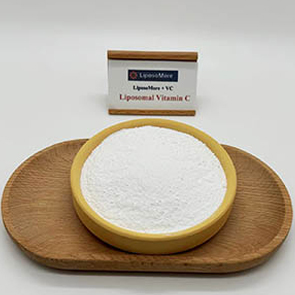
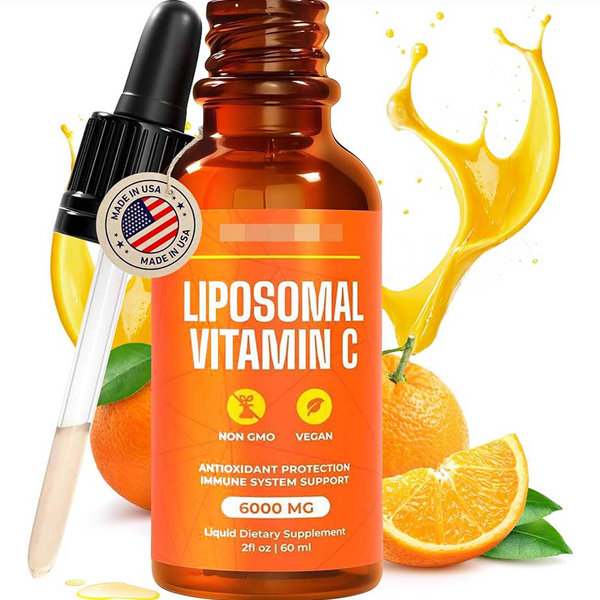
Liposomal vitamin C has become one of the most widely discussed nutritional innovations in recent years, especially when it comes to improving vitamin C absorption. Traditional vitamin C—although essential for immunity, antioxidant defense, collagen formation, and overall metabolic health—faces significant limitations in human absorption. This is where liposomal technology creates a breakthrough.
This article explores how liposomal encapsulation dramatically enhances Liposomal vitamin C bioavailability, why it is more stable, more tolerable, and more effective than standard vitamin C, and what current research shows about its superior performance.
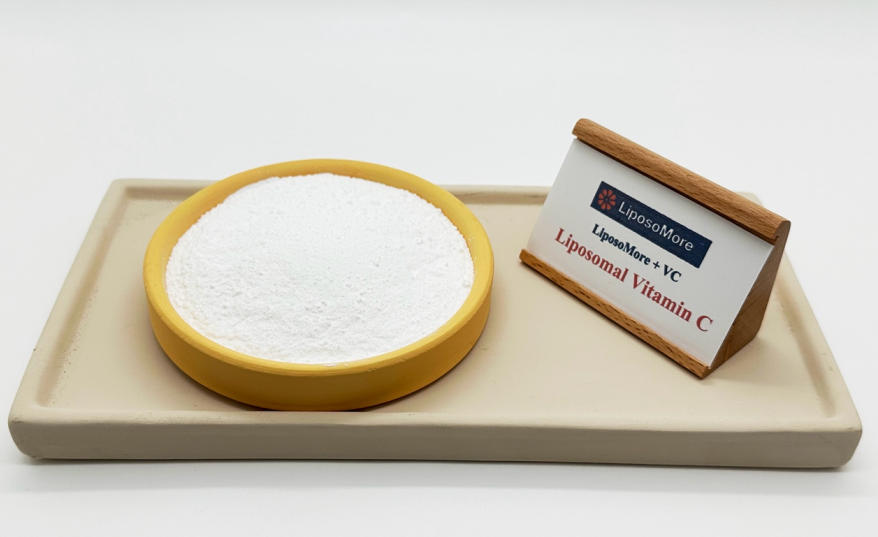
Why Traditional Vitamin C Has Low Bioavailability
Vitamin C is a water-soluble molecule. When consumed in conventional forms, its absorption in the intestine is restricted by:
· Transporter saturation: Intestinal vitamin C transporters reach a limit quickly, preventing higher doses from being absorbed.
· Rapid oxidation: Vitamin C is chemically unstable and easily degraded before reaching target tissues.
· Short half-life: Excess vitamin C that is not immediately absorbed is excreted through urine, resulting in poor utilization.
As a result, only a fraction of standard vitamin C intake is effectively used by the body, especially at higher doses.
How Liposomal Technology Improves Vitamin C Absorption
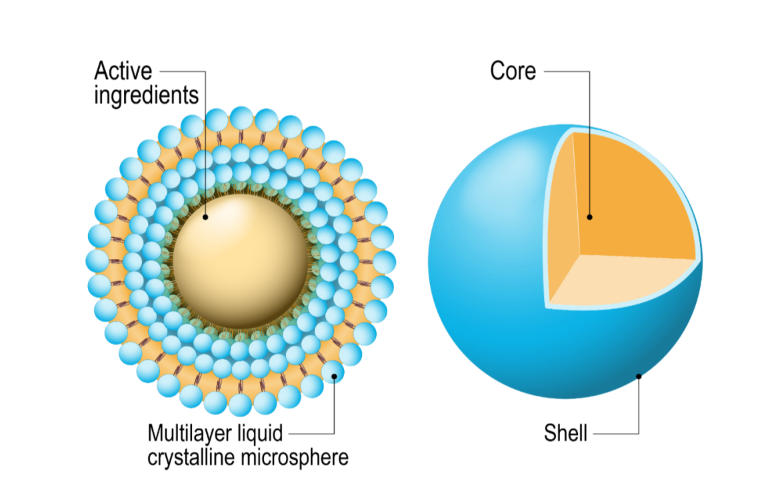
Liposomal delivery systems encapsulate vitamin C inside phospholipid bilayer vesicles, which share a structure similar to biological cell membranes. This offers several advantages that directly enhance Liposomal vitamin C bioavailability:
1. Protection Against Oxidation
The lipid bilayer shields vitamin C from environmental and digestive oxidation, keeping it stable throughout the absorption process.
2. Bypass of Traditional Absorption Limits
Liposomal particles are absorbed through passive diffusion and lymphatic pathways, allowing vitamin C to enter systemic circulation more efficiently than conventional forms.
3. Sustained and Controlled Release
Because liposomes can release vitamin C gradually, they extend its biological activity and improve its cellular uptake over an extended period.
4. Reduced Gastrointestinal Discomfort
High-dose vitamin C can cause bloating or diarrhea. Liposomal encapsulation reduces direct contact with the intestinal lining, improving digestive tolerance.
LiposoMore's liposome technology is mature, with a stable and reliable liposome preparation process. The liposomes have good chemical and physical stability. Similarly, the liposomal vitamin C products have good encapsulation efficiency and strong ability to encapsulate vitamin C, thus providing better protection.
Scientific Evidence: Liposomal Vitamin C Shows Over 2× Higher Bioavailability
In vitro simulated absorption studies clearly demonstrate the advantage of liposomal formulations. According to research data (provided jointly by LiposoMore and a nutritional metabolism evaluation institute), liposomal vitamin C shows:
· More than double the absorption rate compared to regular vitamin C
· Significantly higher cellular uptake and retention
· Greater stability during digestion
This confirms that encapsulation effectively overcomes the classic absorption bottlenecks of water-soluble vitamin C.
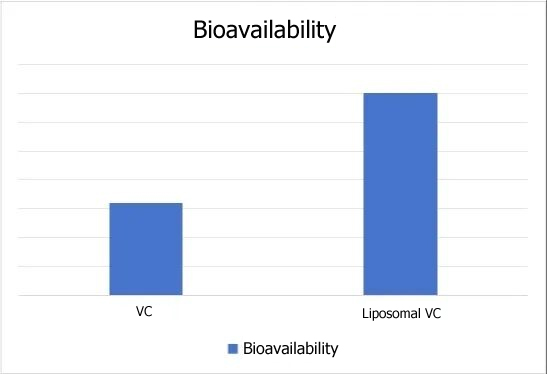
Figure 1. Bioavailability of Vitamin C and liposomal Vitamin C
Controlled Release: Liposomal Vitamin C Maintains Longer Activity
A release profile comparison further highlights the extended-release behavior:
· Regular vitamin C solution released ≥60% of its content within 2 hours.
· Liposomal vitamin C released only half of that amount in the same timeframe.
· At 24 hours, traditional vitamin C exceeded 80% release, while liposomal vitamin C released around 60%, maintaining longevity.
This sustained release contributes significantly to improved Liposomal vitamin C bioavailability, as vitamin C remains active in the body for a longer duration.
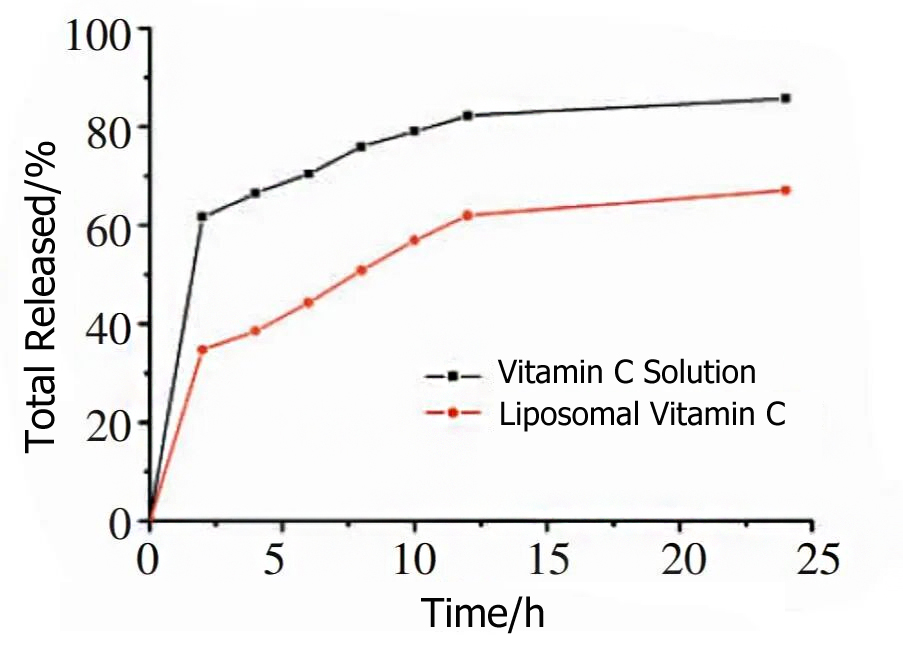
Figure 2. In vitro release experiment of VC from liposomes.
Does Liposomal Encapsulation Affect Antioxidant Activity?
To confirm whether encapsulation alters vitamin C's functional properties, two antioxidant assays were conducted:
· DPPH free radical scavenging test
· L-DOPA oxidase inhibition test
Results demonstrated that liposomal vitamin C maintains identical antioxidant capacity to free vitamin C. At 100 μg/ml concentration, both formulations showed nearly the same free radical scavenging and enzyme inhibition rates. This proves that the encapsulation preserves the molecule's biological integrity.
When the vitamin C concentration was 100 μg/ml, the DPPH radical scavenging rates of aqueous vitamin C solution and liposome-based vitamin C solution were (79.50±1.24)% and (79.82±1.32)%, respectively, while the L-DOPA oxidase inhibition rates were (83.42±1.72)% and (83.58±1.59), respectively.
LiposoMore: A Reliable Liposomal Vitamin C Manufacturer
LiposoMore has developed a mature liposomal technology platform with:
· High encapsulation efficiency
· Strong chemical and physical stability
· Reliable controlled-release behavior
· Excellent protection of vitamin C's active structure
Their liposomal vitamin C solutions demonstrate outstanding results across absorption, stability, and antioxidant assessments, making them a trusted supplier for brands seeking high-performance nutraceutical ingredients.
Conclusion: Liposomal Vitamin C Sets a New Standard for Absorption
Traditional vitamin C faces inherent limitations in absorption and stability. Liposomal technology successfully overcomes these challenges by:
· Enhancing stability
· Improving cellular uptake
· Supporting controlled release
· Reducing gastrointestinal discomfort
With research consistently showing significantly higher Liposomal vitamin C bioavailability, liposomal formulations are becoming the preferred solution for consumers and brands aiming for superior nutrient delivery.
Liposomal vitamin C represents the next generation of vitamin C supplementation—efficient, stable, and scientifically validated.
Natalie Wu
Hey Guys, I am Natalie Wu, an R&D researcher at LiposoMore. I graduate from College with a Master’s Degree in Bioengineering, I would like to share news and the science behind liposomal ingredients. At LiposoMore, we drive ingredient development with scientific precision and a passion for advanced nutritional technologies.
 EN
EN
 jp
jp  ko
ko  fr
fr  de
de  es
es  ru
ru  pt
pt  ar
ar  pl
pl  vi
vi