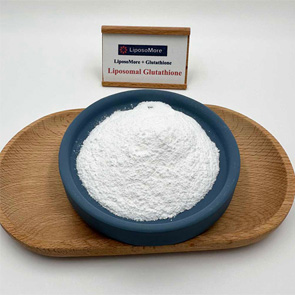
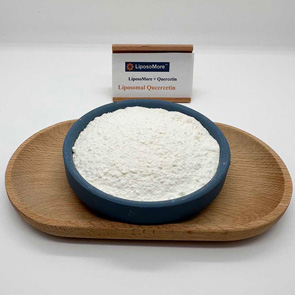
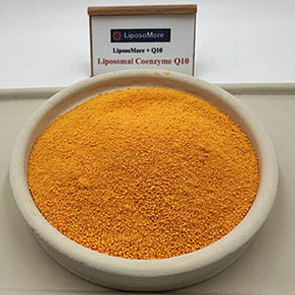
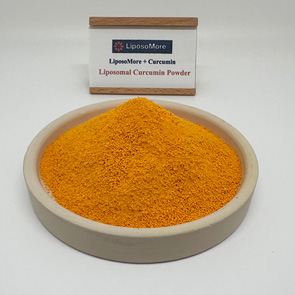
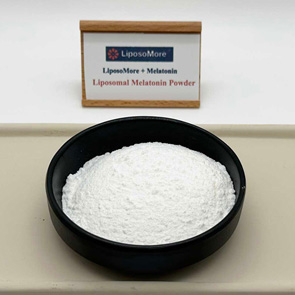
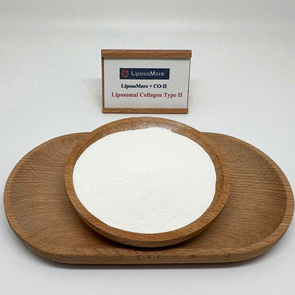
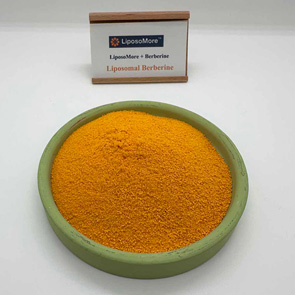
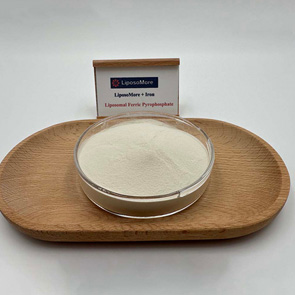
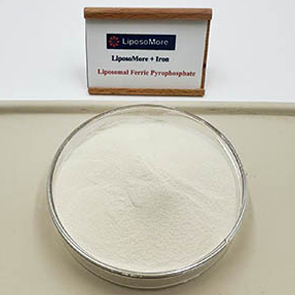
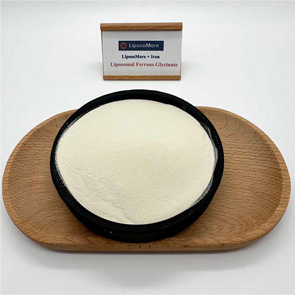
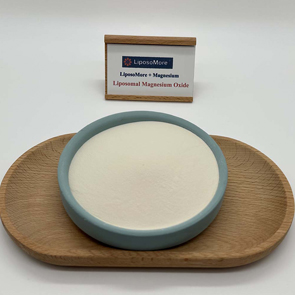
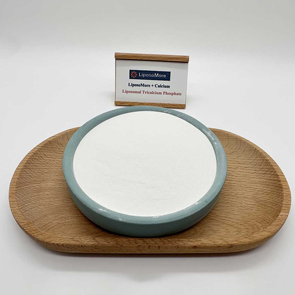
In the dietary supplement industry, protecting active ingredients and ensuring optimal absorption are key challenges. Two popular delivery technologies – microencapsulation and liposomal technology – have emerged as solutions to improve stability and bioavailability. But what are the differences between them, and which is better for your product formulation?
What Is Microencapsulation?
Microencapsulation is a process in which active ingredients are coated with a protective wall material, forming tiny capsules or granules. These wall materials may include starch, gelatin, gum arabic, or other food-grade polymers.
Key Benefits of Microencapsulation:
Enhanced Stability: Protects sensitive ingredients from oxidation, light, and heat.
Improved Handling: Converts liquids into free-flowing powders for easier blending.
Controlled Release: Enables gradual release of nutrients in the digestive system.
Cost-Effective: A mature and economical technology suitable for mass production.
Microencapsulation is widely used for vitamins, probiotics, flavors, and minerals such as encapsulated iron salts, making them more stable in food and beverage applications.
What Is Liposomal Technology?
Liposomal technology uses phospholipid bilayers to form tiny vesicles (liposomes) that encapsulate active ingredients. These nanoparticles resemble cell membranes and can merge with intestinal cells, significantly enhancing nutrient delivery.
Key Benefits of Liposomal Technology:
Superior Bioavailability: Improves absorption of poorly soluble or sensitive compounds such as glutathione, vitamin C, or iron.
Targeted Delivery: Liposomes can deliver nutrients directly into cells for better efficacy.
Gentle on the Stomach: Reduces gastrointestinal irritation compared to conventional forms.
Premium Positioning: Ideal for high-end dietary supplements with clinical-grade performance.
Liposomal formulations are particularly suitable for nutraceuticals where absorption and therapeutic effectiveness are the top priorities.
Microencapsulation vs Liposomal: Choosing the Right Technology
Criteria | Microencapsulation | Liposomal Technology |
Particle Size | Micron-sized (50–500 µm) | Nano-sized (50–500 nm) |
Main Purpose | Stability, controlled release | Bioavailability, targeted delivery |
Cost | Lower | Higher |
Applications | Food powders, beverages, basic supplements | High-end nutraceuticals, medical nutrition |
Consumer Perception | Traditional technology | Innovative, premium technology |
Conclusion
Both microencapsulation and liposomal technology have their unique advantages. Microencapsulation is a cost-effective choice for improving stability and shelf life, making it ideal for food fortification and mass-market supplements. Liposomal technology, on the other hand, offers unmatched absorption and targeted delivery, perfect for premium supplements that emphasize efficacy.
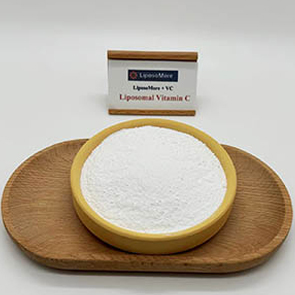
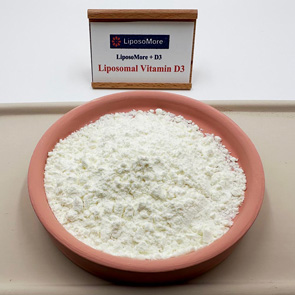
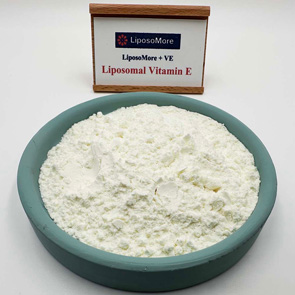
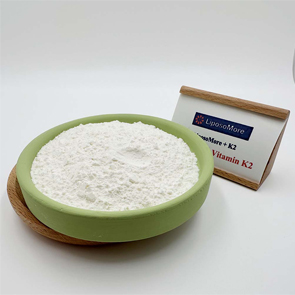
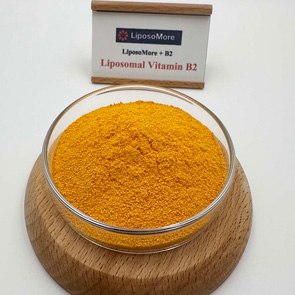
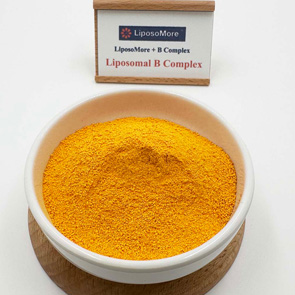
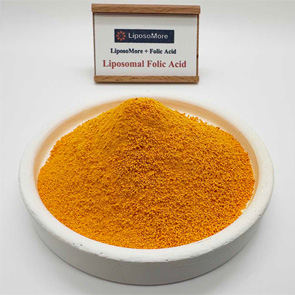
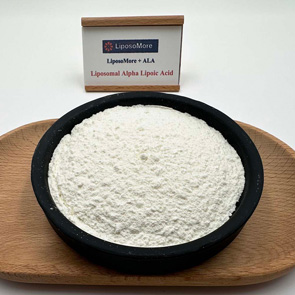
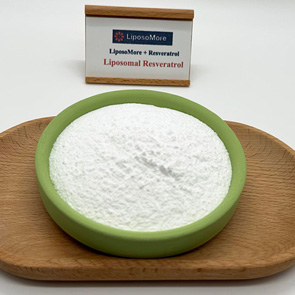
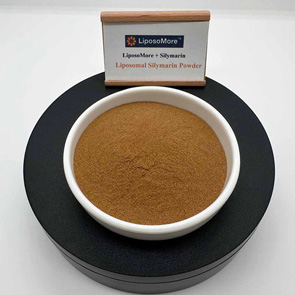
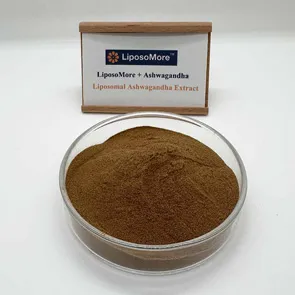
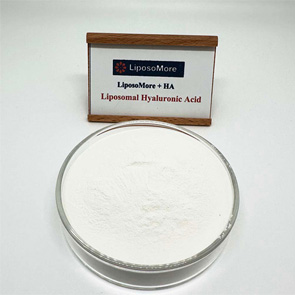
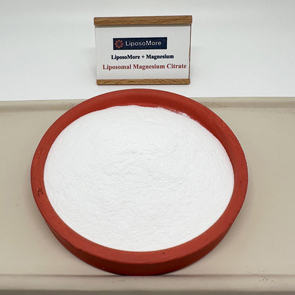
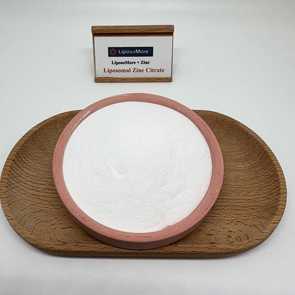
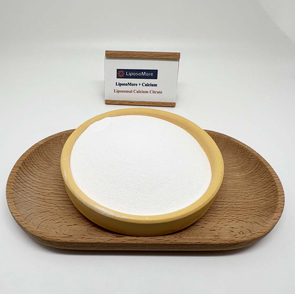
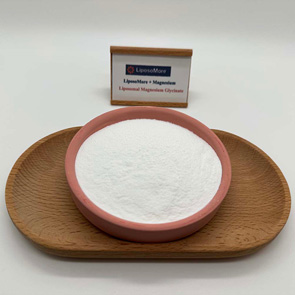
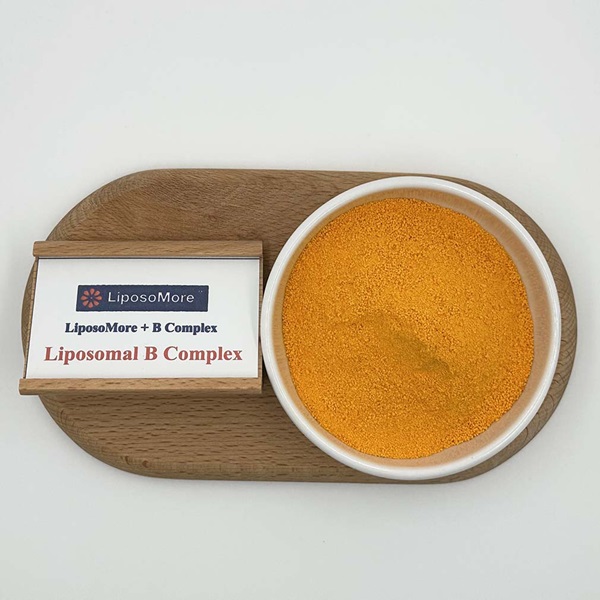
At Joyful Nutritional, we offer a range of encapsulated mineral ingredients as well as liposomal solutions under our LiposoMore™ brand to meet different formulation needs. Whether you are looking for affordable stability or next-level bioavailability, we can support you with the right ingredient technology.
Natalie Wu
Hey Guys, I am Natalie Wu, an R&D researcher at LiposoMore. I graduate from College with a Master’s Degree in Bioengineering, I would like to share news and the science behind liposomal ingredients. At LiposoMore, we drive ingredient development with scientific precision and a passion for advanced nutritional technologies.
 EN
EN
 jp
jp  ko
ko  fr
fr  de
de  es
es  ru
ru  pt
pt  ar
ar  pl
pl  vi
vi