EN
EN
 jp
jp  ko
ko  fr
fr  de
de  es
es  ru
ru  pt
pt  ar
ar  pl
pl  vi
vi Address
No.2045 Songbai Road, Baoan District, Shenzhen China

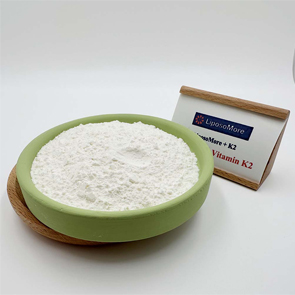
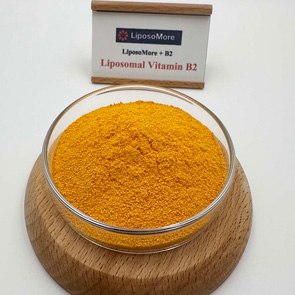
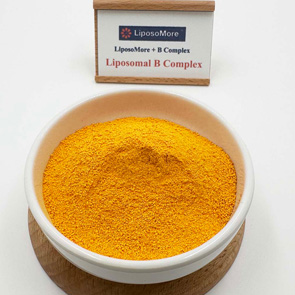
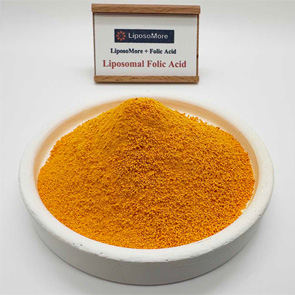
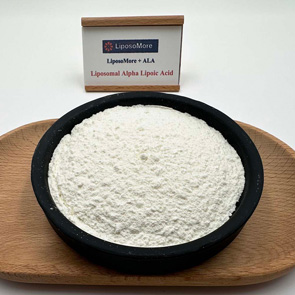
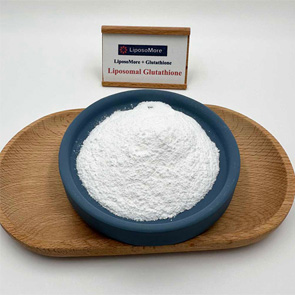
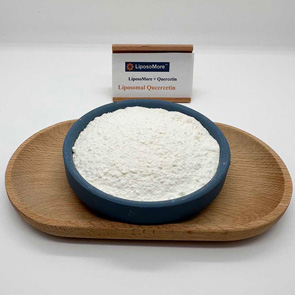
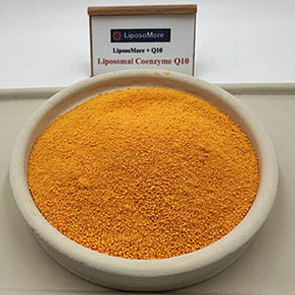
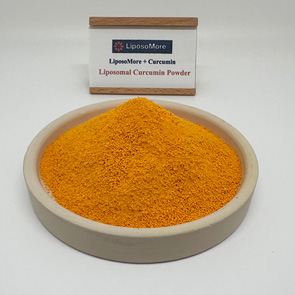
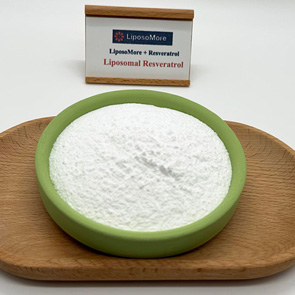
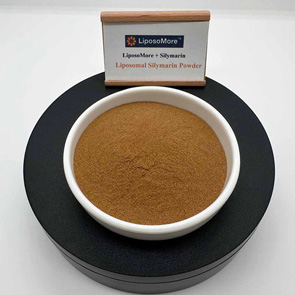
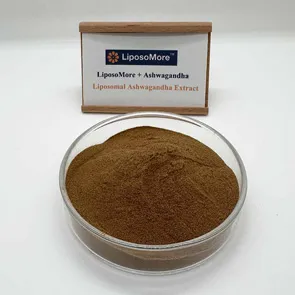
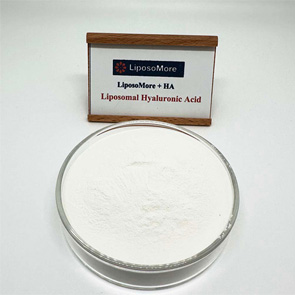
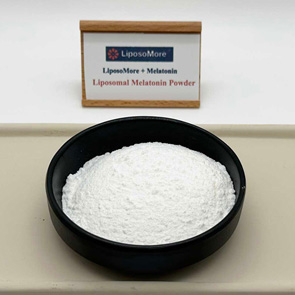
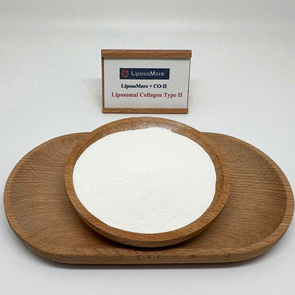
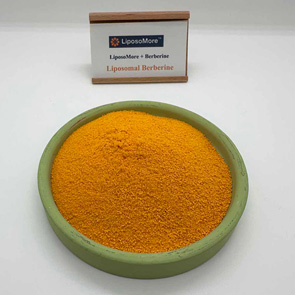
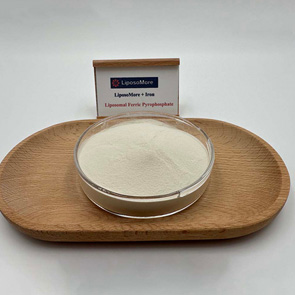
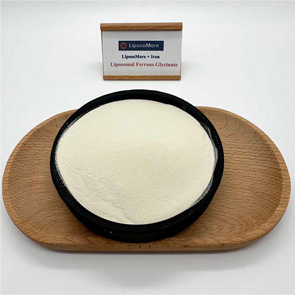
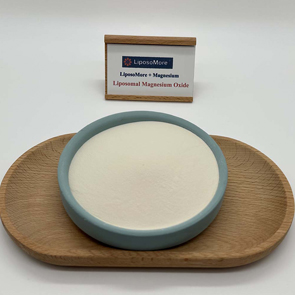
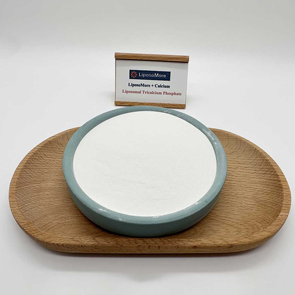
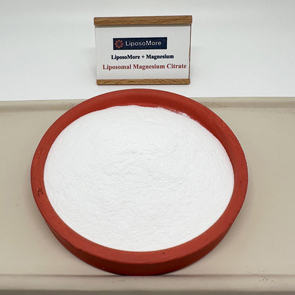
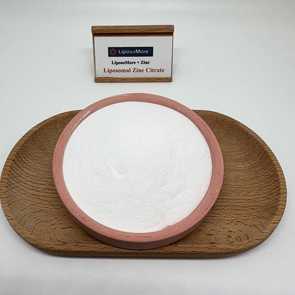
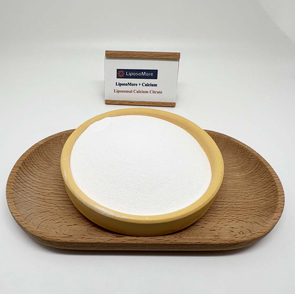
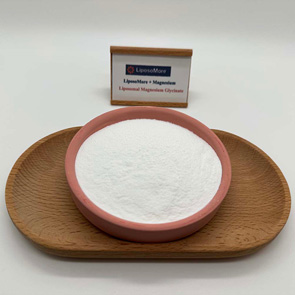

Liposome mineral raw materials are prepared using liposome technology and combined with embedding technology to coat a layer of physical barrier around the liposome active ingredients, which can effectively prevent the active ingredients of minerals from reacting with oils to produce rancid odors, and can also improve the dispersibility of mineral raw materials in liquid dosage forms. Liposome technology can improve the absorption rate and bioavailability of minerals by the human body.
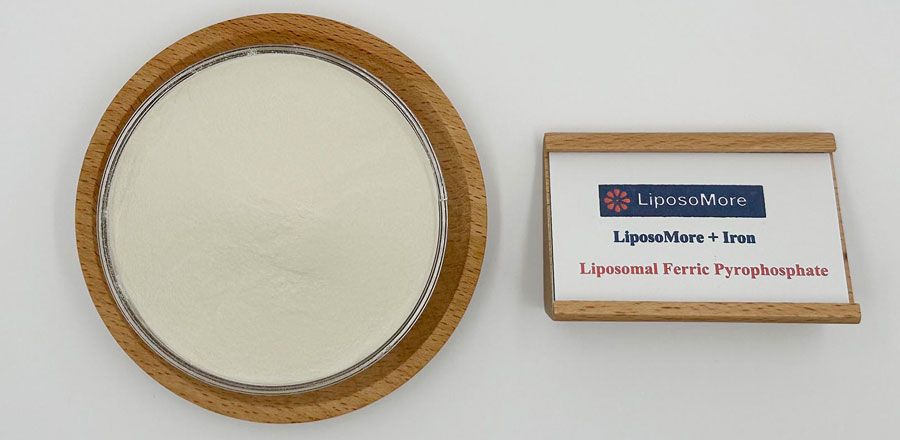
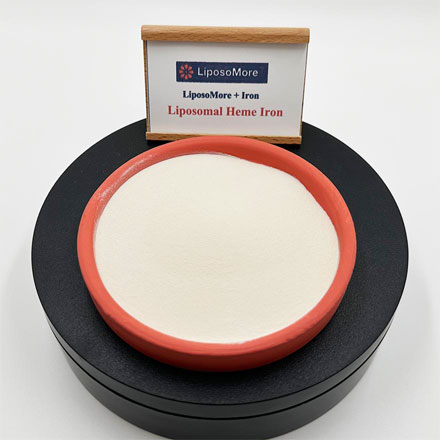
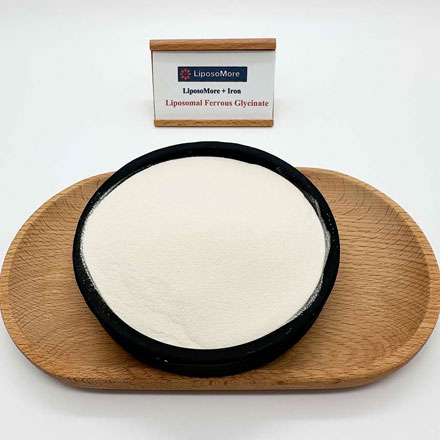
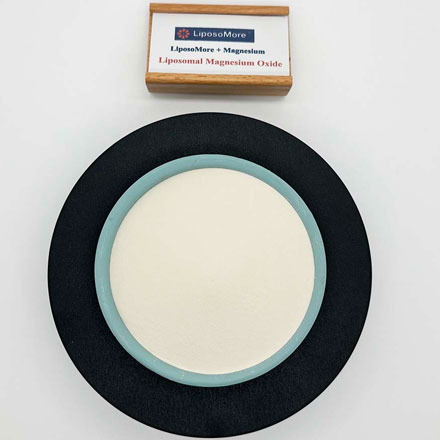
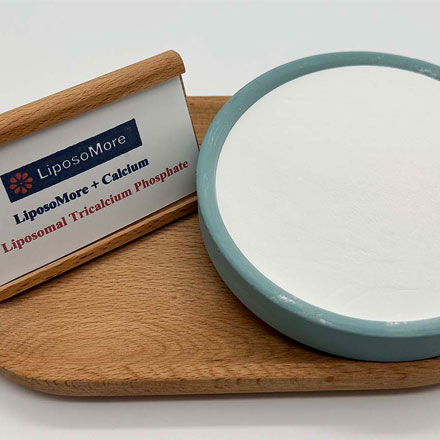
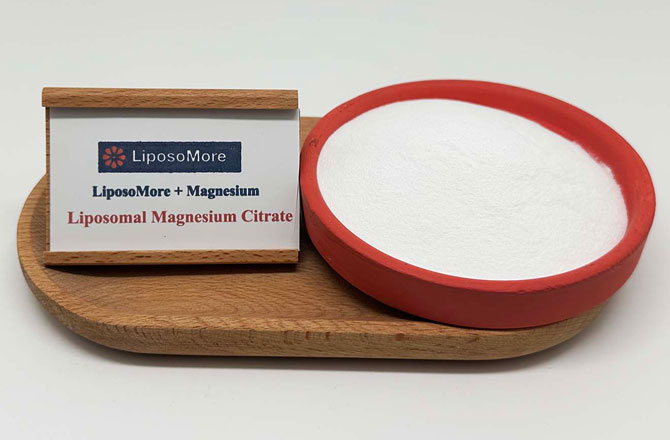
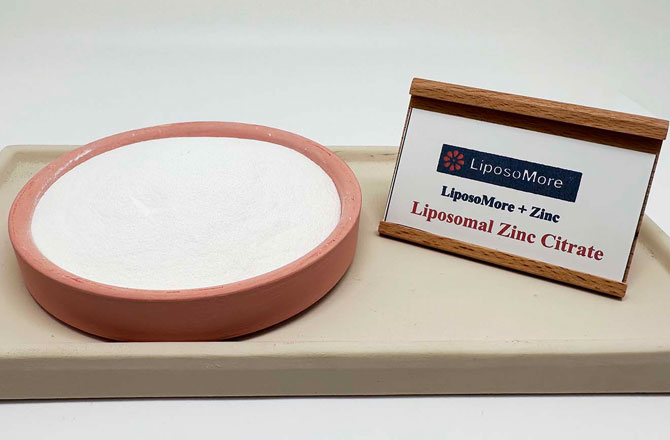
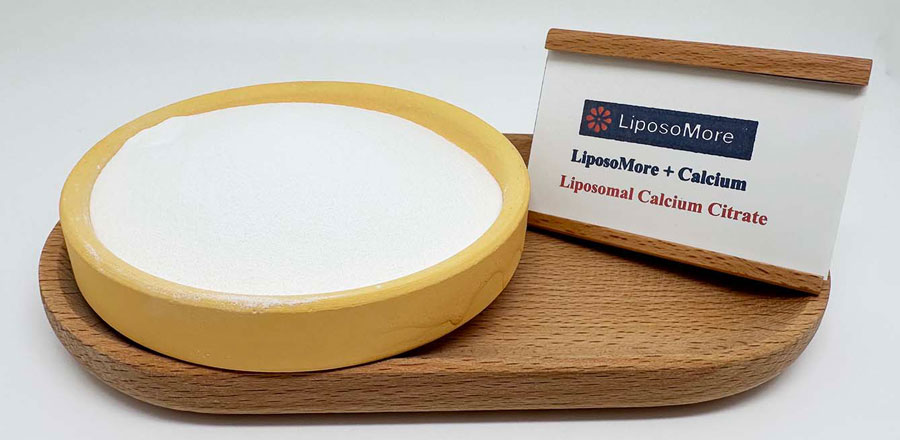
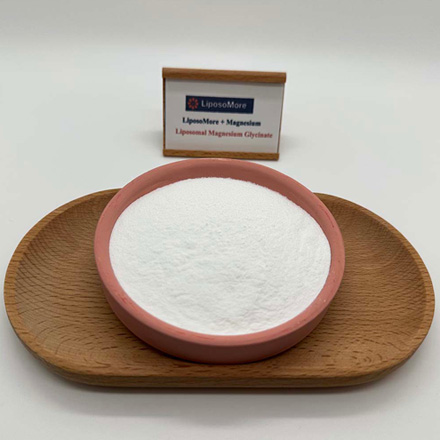

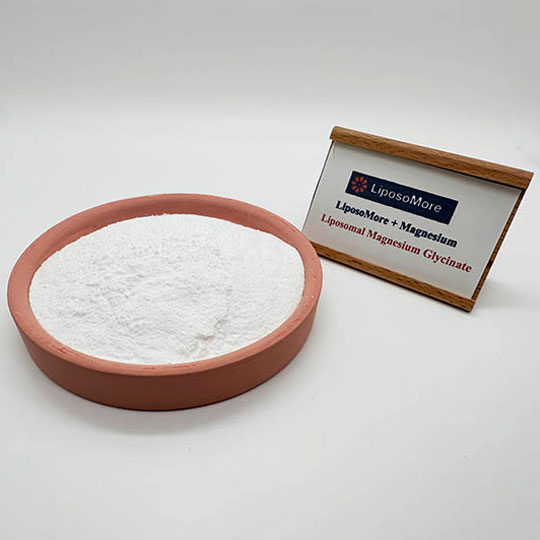
Liposomal vitamins and minerals are nutrients encapsulated within liposomes—tiny spherical vesicles made from natural phospholipids that mimic the structure of cell membranes. This advanced delivery system significantly enhances the absorption, stability, and bioavailability of nutrients compared to traditional forms. While liposomal technology is commonly used for vitamins such as C, D, E, and B-complex, it has become increasingly valuable in the delivery of minerals, which often suffer from poor absorption and gastrointestinal side effects in standard supplement forms.
Liposomal minerals—including magnesium, calcium, iron, and zinc—benefit greatly from this encapsulation. Many conventional mineral supplements pass through the digestive system with limited uptake, and may cause discomfort such as nausea, constipation, or stomach upset. Liposomal delivery solves these challenges by enclosing the mineral ions in a lipid bilayer, allowing them to bypass harsh stomach conditions and be absorbed more efficiently through the intestinal lining and into cells.
For example, liposomal magnesium supports nerve function, muscle relaxation, and sleep without the laxative effect often associated with magnesium oxide or citrate. Liposomal iron, including forms like heme iron or ferrous glycinate, offers improved bioavailability and reduced risk of constipation or metallic taste. Similarly, liposomal calcium and zinc support bone health, immunity, and cellular metabolism while being gentler on the digestive system.

Yes, liposomal magnesium is generally considered superior to regular magnesium forms for several key reasons.
Traditional magnesium supplements—such as magnesium oxide or citrate—often have limited absorption in the gut. Liposomal magnesium is encapsulated in phospholipid layers, which protect it from degradation in the digestive tract and allow for direct cellular uptake, significantly increasing bioavailability.
Regular magnesium supplements can cause gastrointestinal discomfort, including bloating or diarrhea, especially at higher doses. Liposomal magnesium is gentler on the stomach, making it a better option for individuals with sensitive digestion.
Liposomes mimic the structure of cell membranes, allowing magnesium to penetrate cells more efficiently. This means the body can utilize more of the mineral where it's needed—particularly in the muscles, nerves, and brain.
Liposomal encapsulation helps protect magnesium from moisture and oxidation, extending shelf life and maintaining potency. It also ensures consistent delivery, even in formats like liquids or sachets where traditional forms may degrade.
Liposomal magnesium offers a more effective, better-tolerated, and technologically advanced alternative to regular magnesium supplements.