EN
EN
 jp
jp  ko
ko  fr
fr  de
de  es
es  ru
ru  pt
pt  ar
ar  pl
pl  vi
vi Address
No.2045 Songbai Road, Baoan District, Shenzhen China

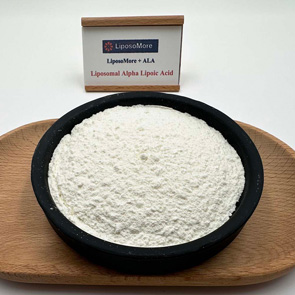
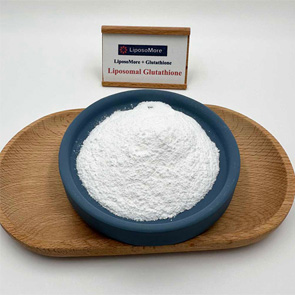
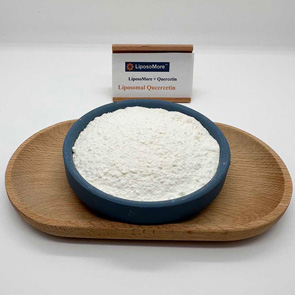
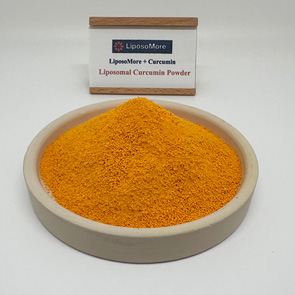
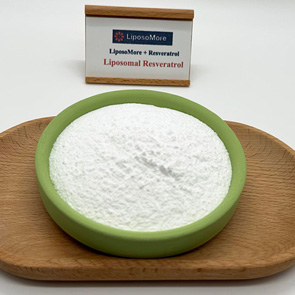
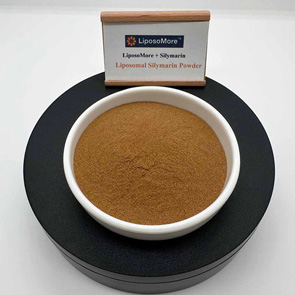
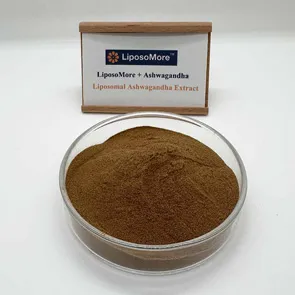
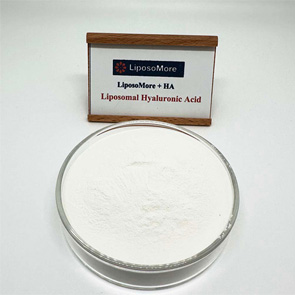
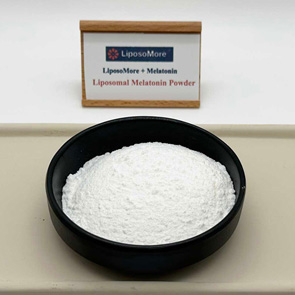
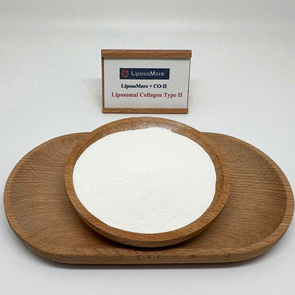
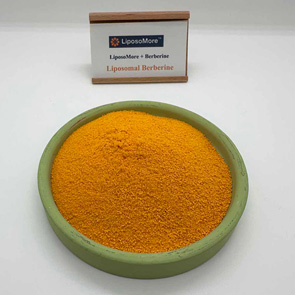
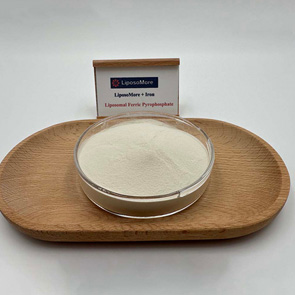
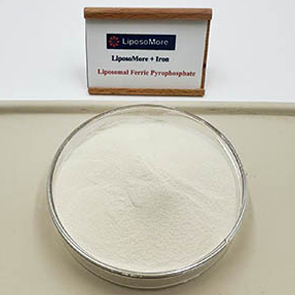
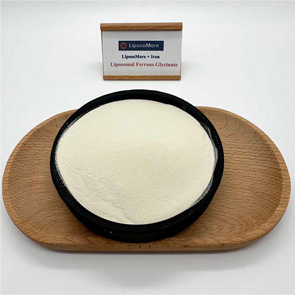
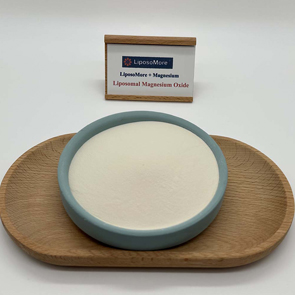
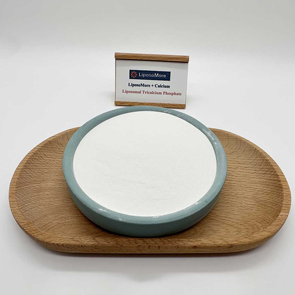
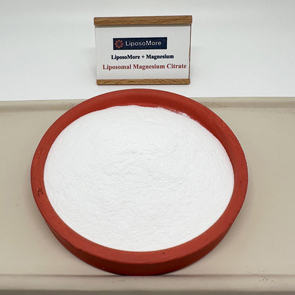
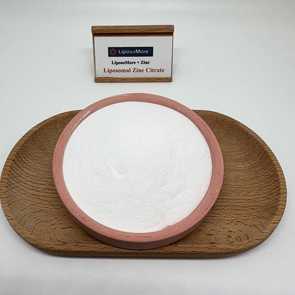
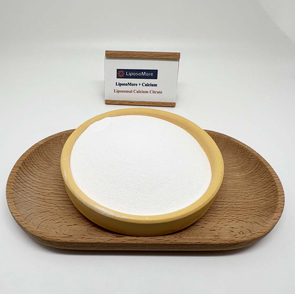
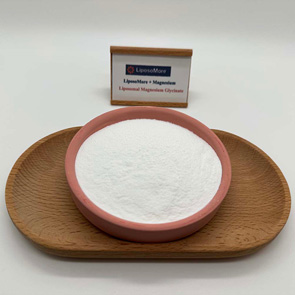
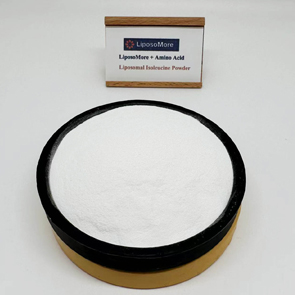
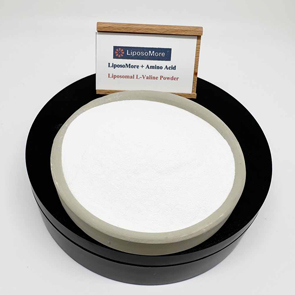
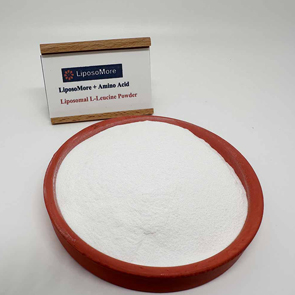

Liposome specialty nutrients refer to supplements ingredients with vesicle structures obtained by encapsulating the active ingredients in lipid bilayers with phospholipids. Phospholipids are similar to the makeup of cell membranes, so when you consume a dietary siupplements ingredients encapsulated in liposomes, your body recognizes it as a cell. Liposomes maximize ingredient absorption and increase significantly the bioavailability of active substances.
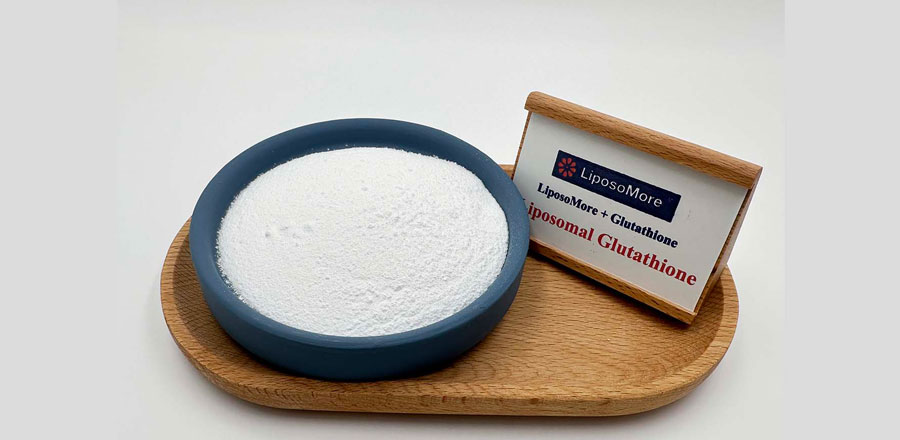
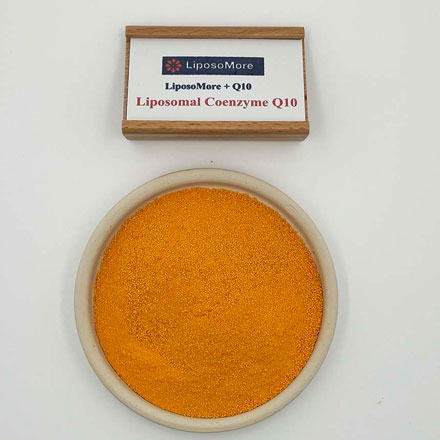
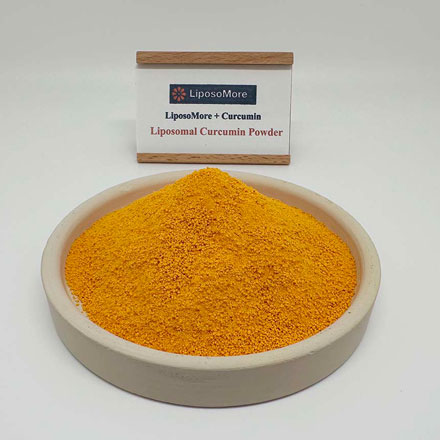
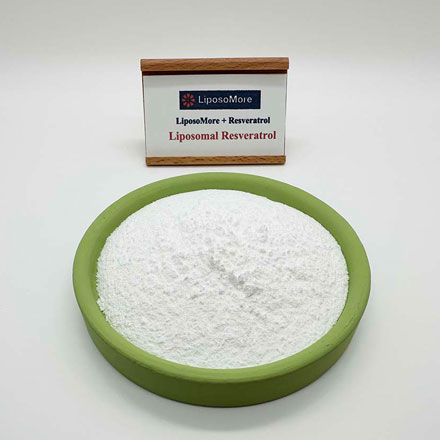
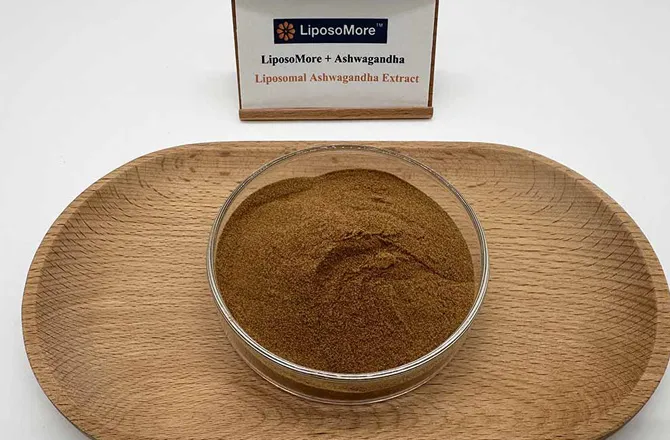
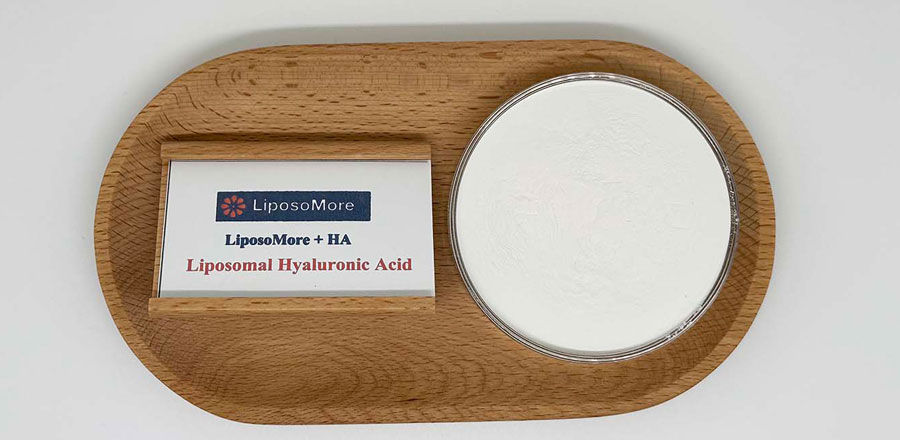
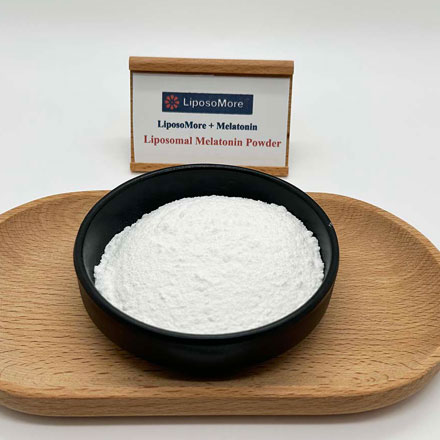
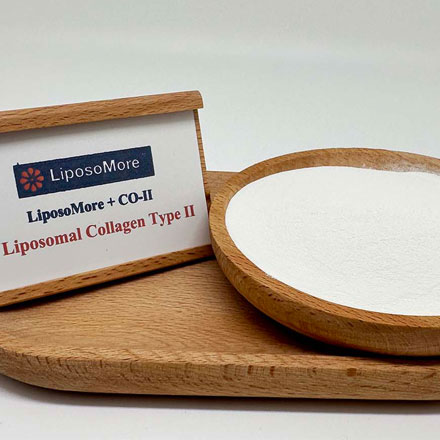
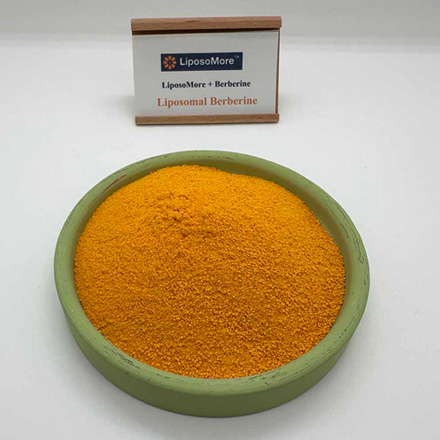

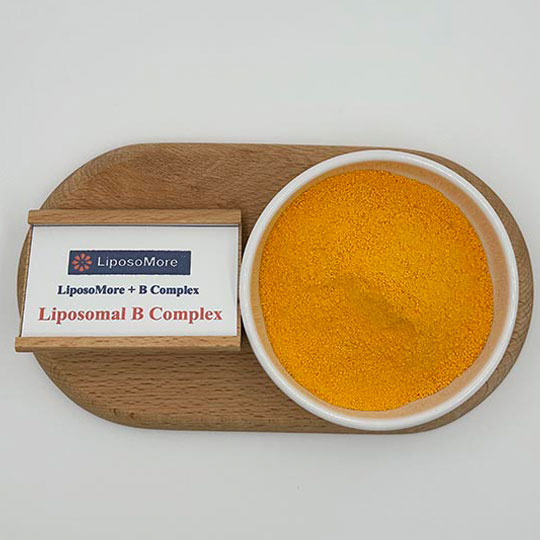
A product is considered liposomal when it incorporates.
1. Liposomes—microscopic spherical vesicles made from phospholipid bilayers, similar to human cell membranes. Key characteristics include:
Encapsulation of Active Ingredients: Nutrients are enclosed within the liposome structure, protecting them from degradation in the digestive system.
Improved Bioavailability: Liposomes enhance absorption by facilitating nutrient transport across cell membranes.
Stability and Protection: The phospholipid coating safeguards sensitive ingredients from oxidation and breakdown.
Controlled Release: Liposomal formulations can offer sustained and targeted nutrient delivery.
These features make liposomal products more effective than conventional delivery forms.

Liposomes are categorized into four main types based on their structure and size, each offering unique delivery advantages.
Comprising multiple lipid bilayers like concentric shells, MLVs offer excellent stability and are suitable for encapsulating both hydrophilic and lipophilic ingredients.
These have a single lipid bilayer and are 20–100 nm in size, ideal for fast cellular uptake and high bioavailability.
With a size range of 100–1,000 nm, LUVs provide a larger core space, making them ideal for transporting water-soluble nutrients efficiently.
Containing multiple non-concentric internal vesicles, MVVs offer controlled and sustained release of active ingredients.