EN
EN
 jp
jp  ko
ko  fr
fr  de
de  es
es  ru
ru  pt
pt  ar
ar  pl
pl  vi
vi 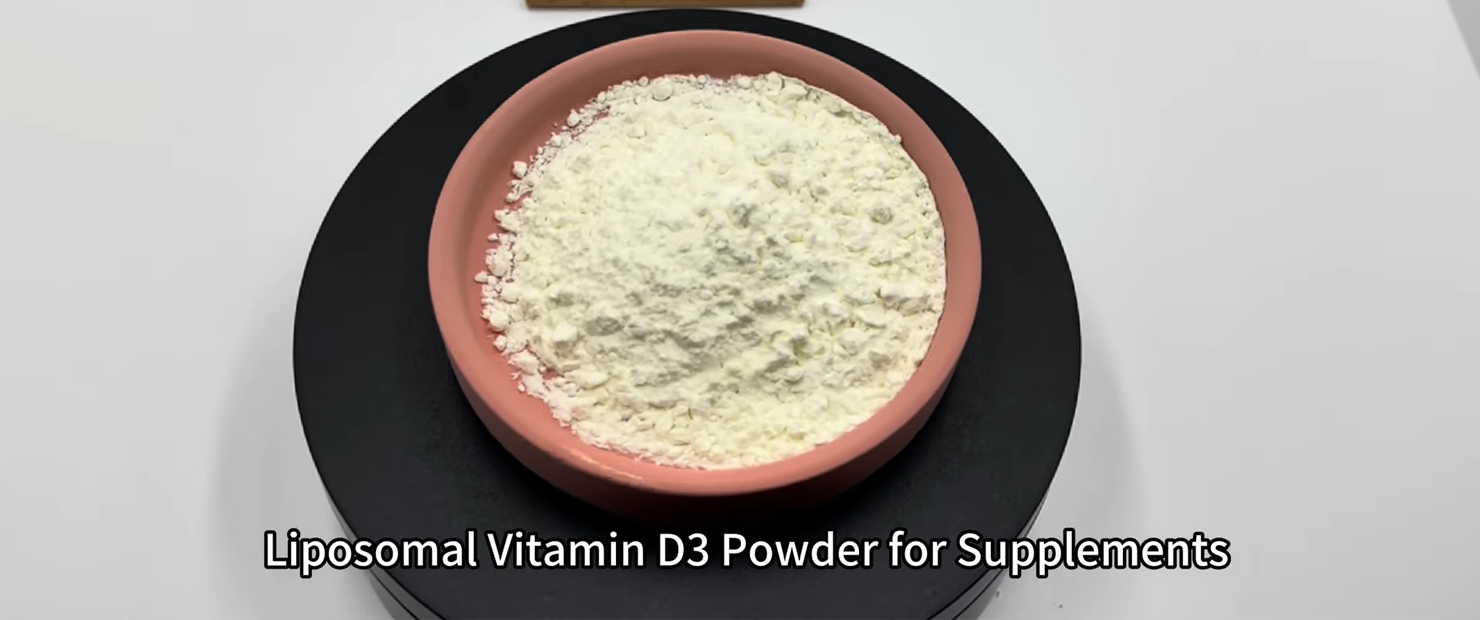
Address
No.2045 Songbai Road, Baoan District, Shenzhen China

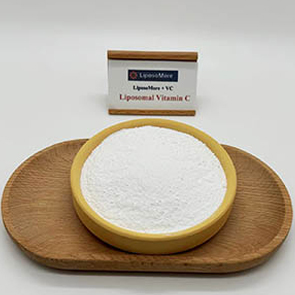
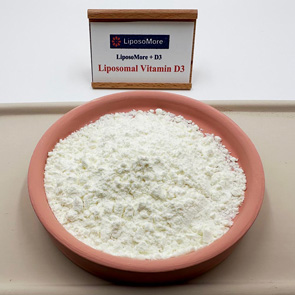
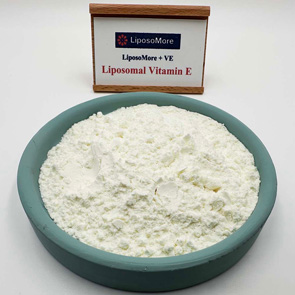
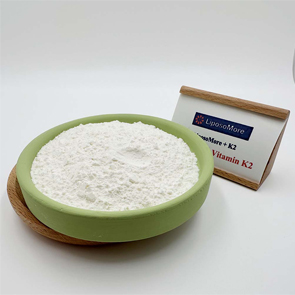
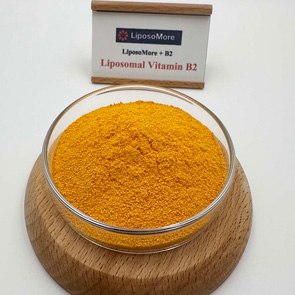
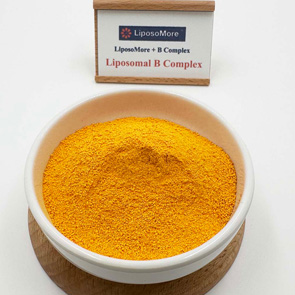
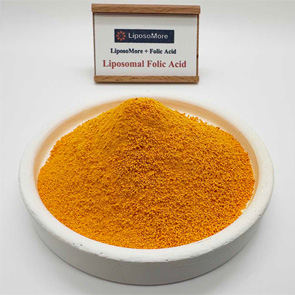
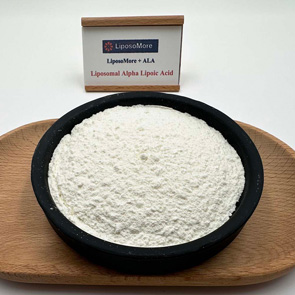
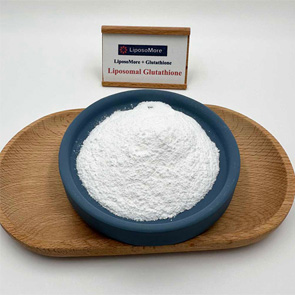
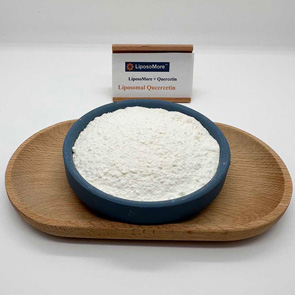
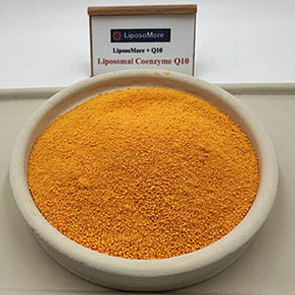
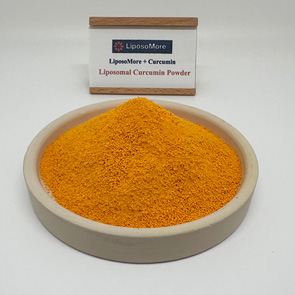
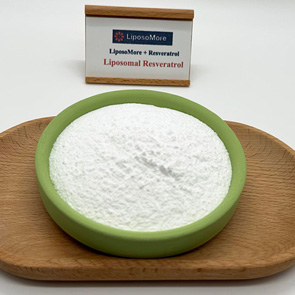
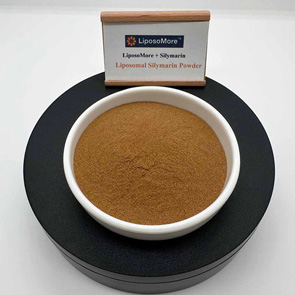
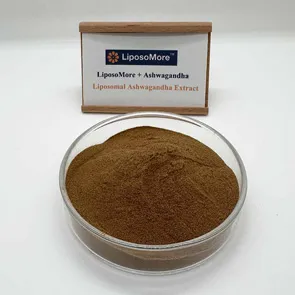
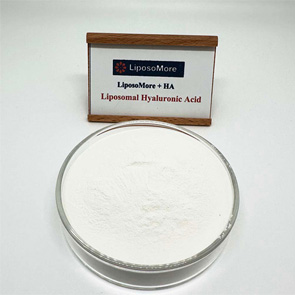
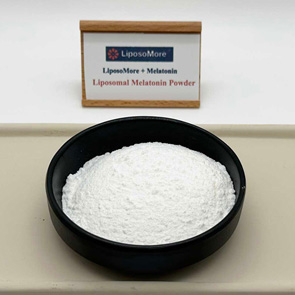
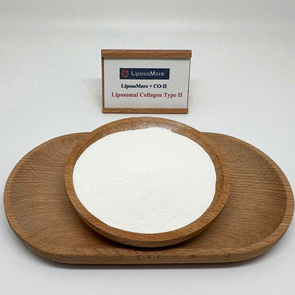
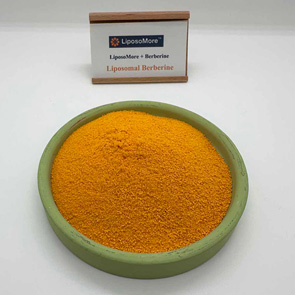
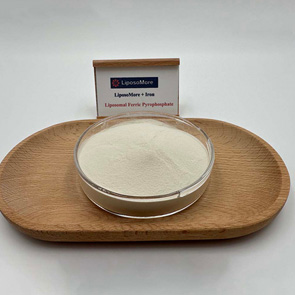
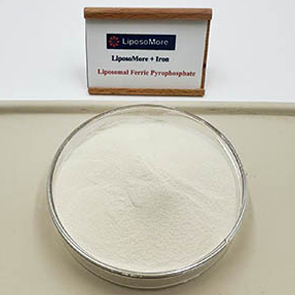
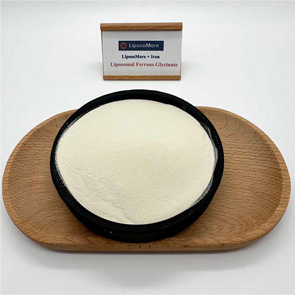
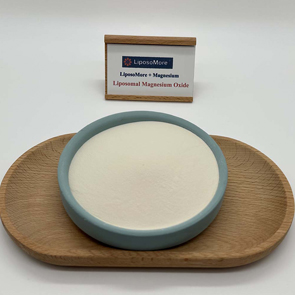
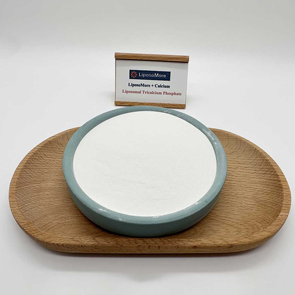
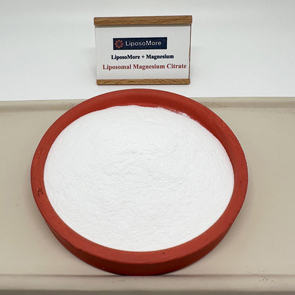
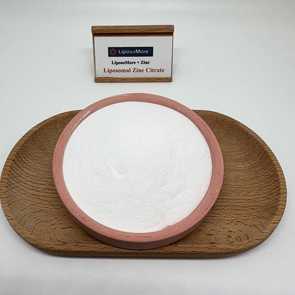
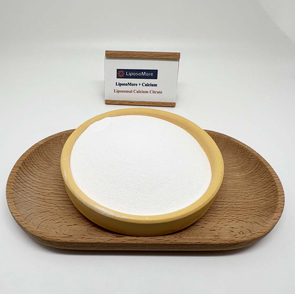
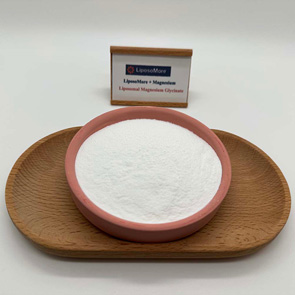
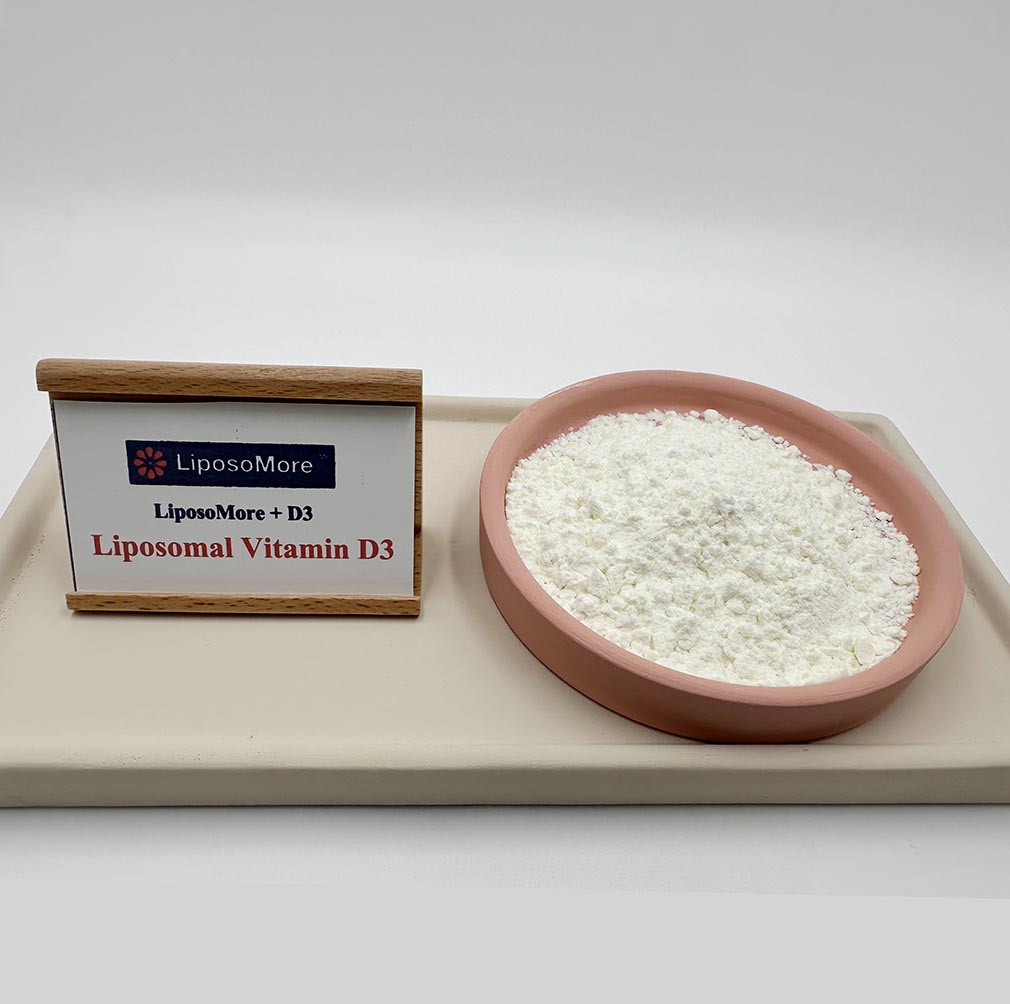
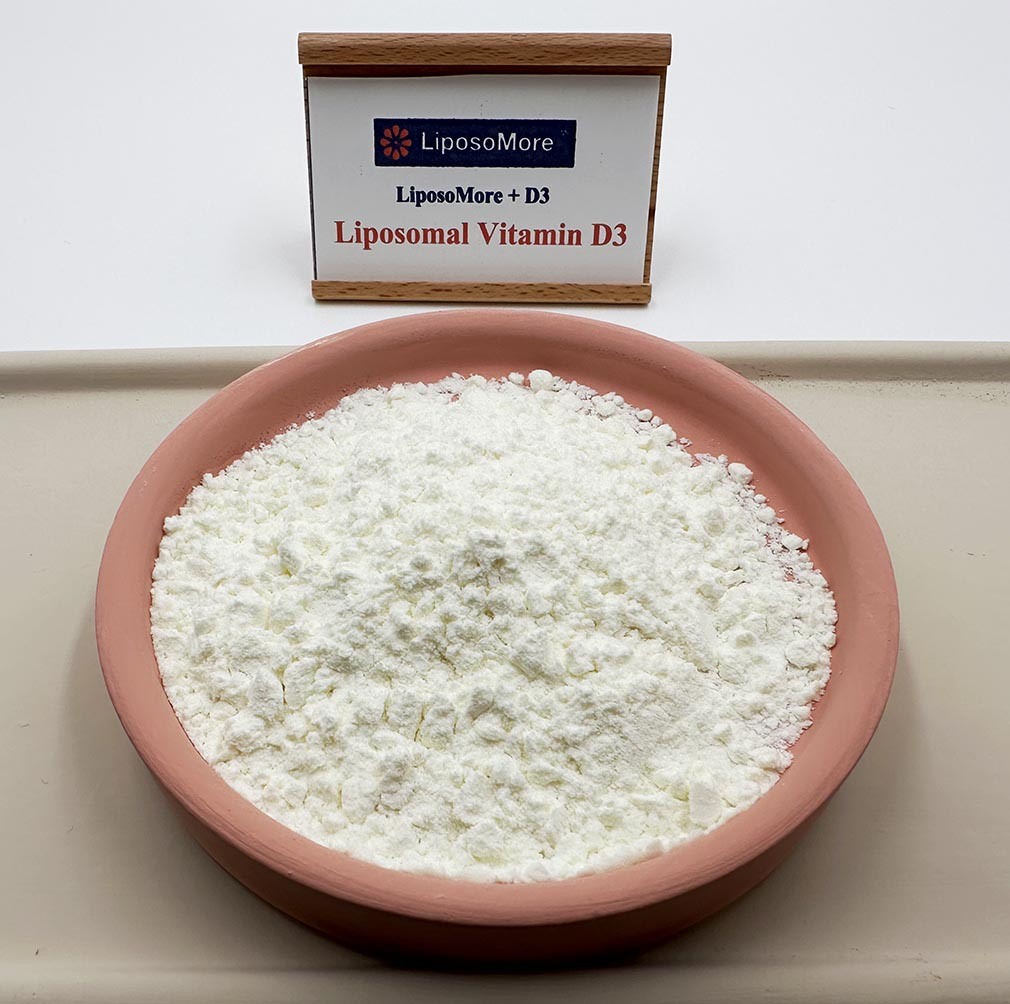
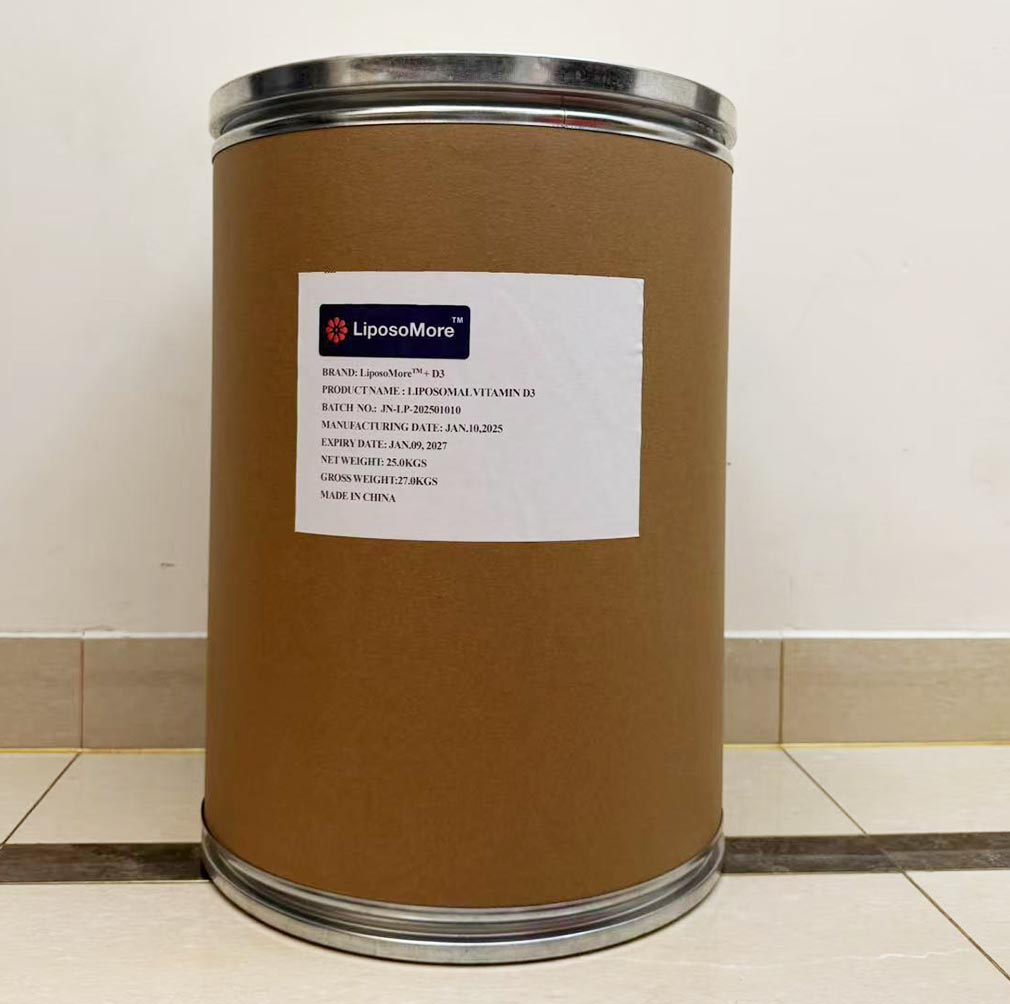
At LiposoMore, we offer premium-grade Liposomal Vitamin D3 designed for superior absorption and bioavailability. Unlike standard forms, our liposomal Vitamin D3 is encapsulated in phospholipid liposomes that protect the nutrient and deliver it efficiently to the bloodstream. This advanced delivery system ensures better support for bone health, immune function, and calcium metabolism, even in individuals with poor fat absorption. LiposoMore’s Liposomal Vitamin D3 is ideal for innovative supplement formats such as softgels, sachets, and liquids—perfect for brands seeking science-backed, high-performance ingredients for modern wellness products.
CAS: 67-97-0
Purity: 100,000 IU/G
ITEMS | SPECIFICATIONS | RESULTS |
Appearance | White to light yellow powder, no peculiar smell, no corruption or mildew, no visible foreign impurities | Pass |
Odor | Characteristic | Pass |
Solubility | Dispensible in water | Pass |
Assay(Vitamin C) | ≥100000iu/g | 100102.58IU/g% |
Loss on Drying | ≤6.0% | 2.5% |
Total Heavy Metal | ≤10ppm(ICP-MS) | <10ppm |
Lead(Pb) | ≤3ppm(ICP-MS) | <3ppm |
Mercury(Hg) | ≤0.1ppm(ICP-MS) | <0.1ppm |
Cadmium(Cd) | ≤1.0 ppm(ICP-MS) | <1.0ppm |
Arsenic(As) | ≤1.0 ppm(ICP-MS) | <1.0ppm |
Total Plate Count | ≤1000cfu/g(USP2021) | <100 cfu/g |
Molds & Yeasts | ≤100cfu/g(USP2021) | <10 cfu/g |
E.Coli | Negative/gram(USP2022) | Negative |
Salmonella | Negative in 25 gram(USP2022) | Negative |
Staphylococcus Aureus | Negative in 25 gram | Negative |
Liposomal delivery significantly improves Vitamin D3 bioavailability by protecting it through digestion for better uptake.
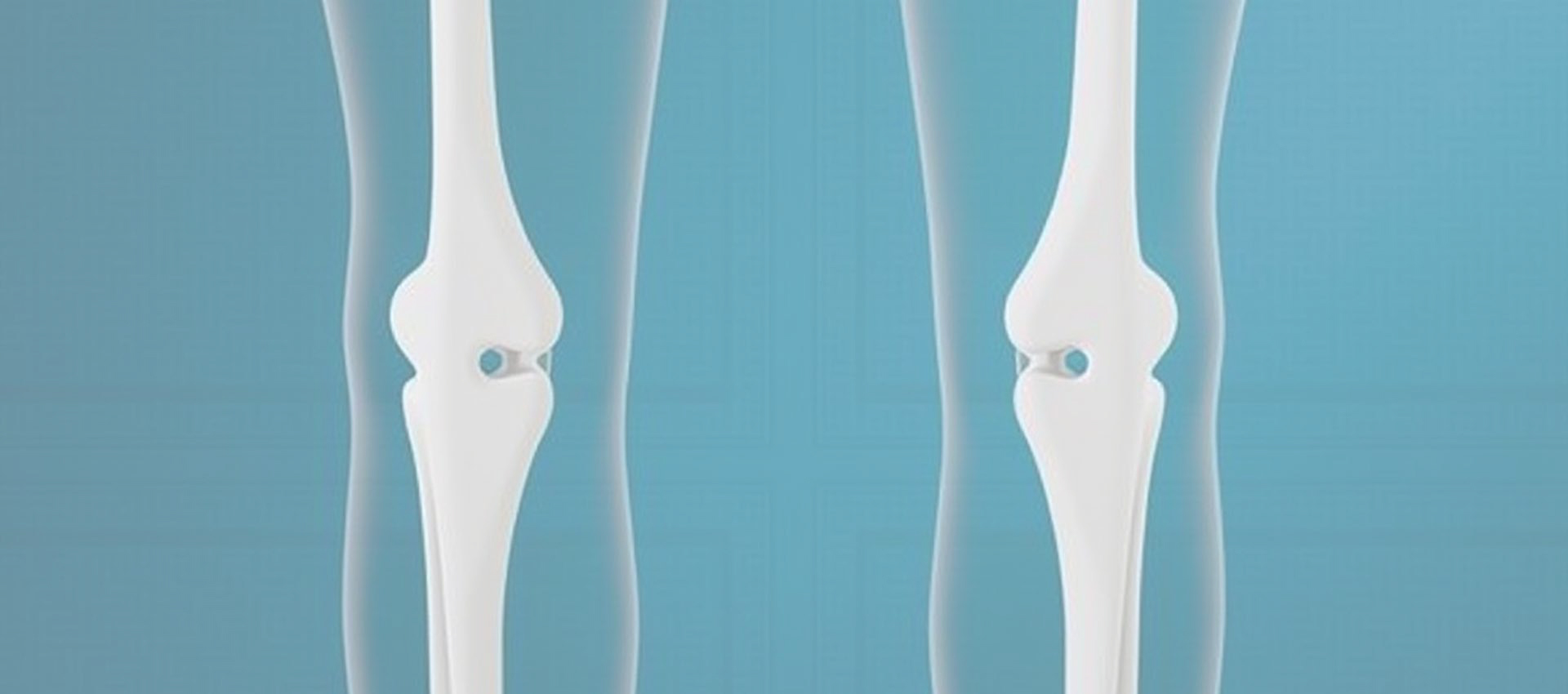
Promotes calcium absorption and bone mineralization, helping maintain strong bones and reduce fracture risk.
Strengthens immune response by supporting innate immunity and modulating inflammatory pathways.
Liposomal form improves the delivery of this fat-soluble vitamin, even in those with poor fat digestion.
Encapsulation reduces the risk of gastrointestinal discomfort, making it ideal for sensitive individuals.
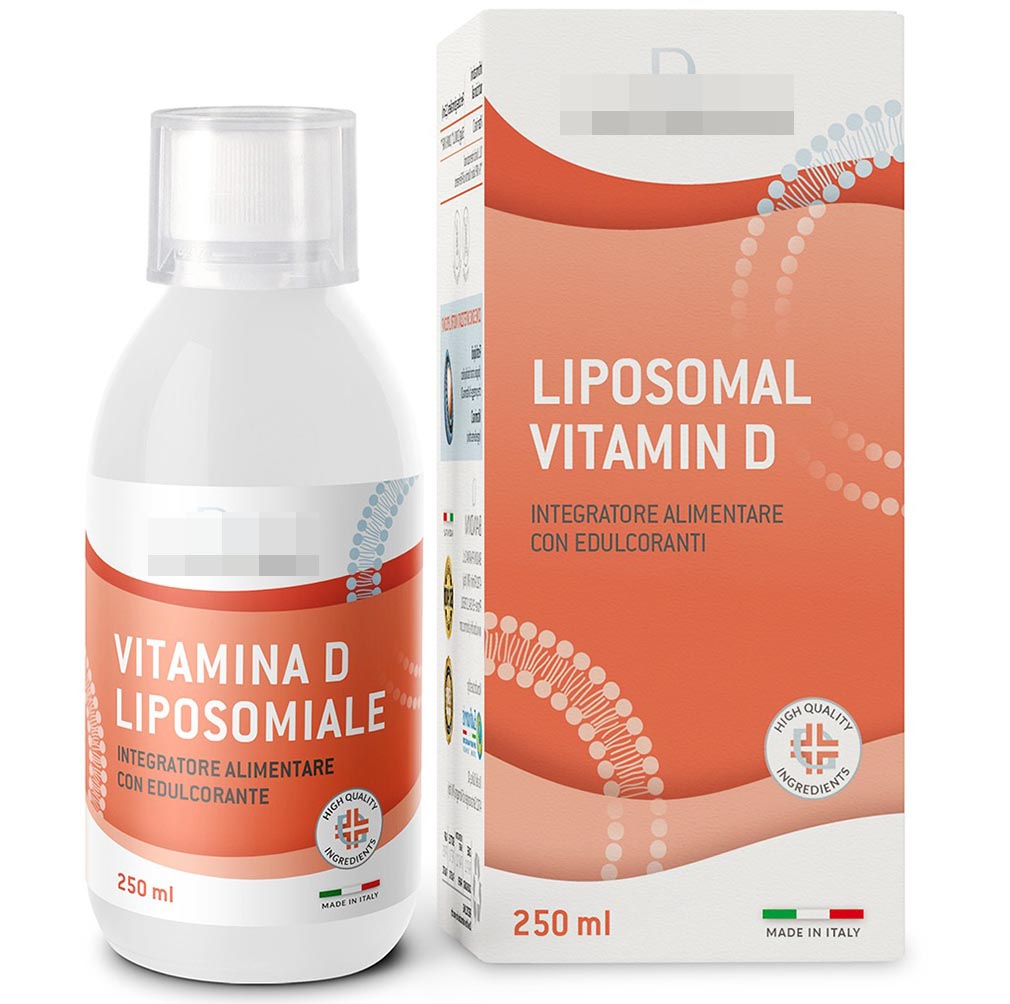
Perfect for use in softgels, liquid sachets, or powders targeting premium health and wellness markets.nces.
LiposoMore's Vitamin D3 is a highly bioavailable liposomal ingredient that supports bone, immune, and calcium health with superior absorption.
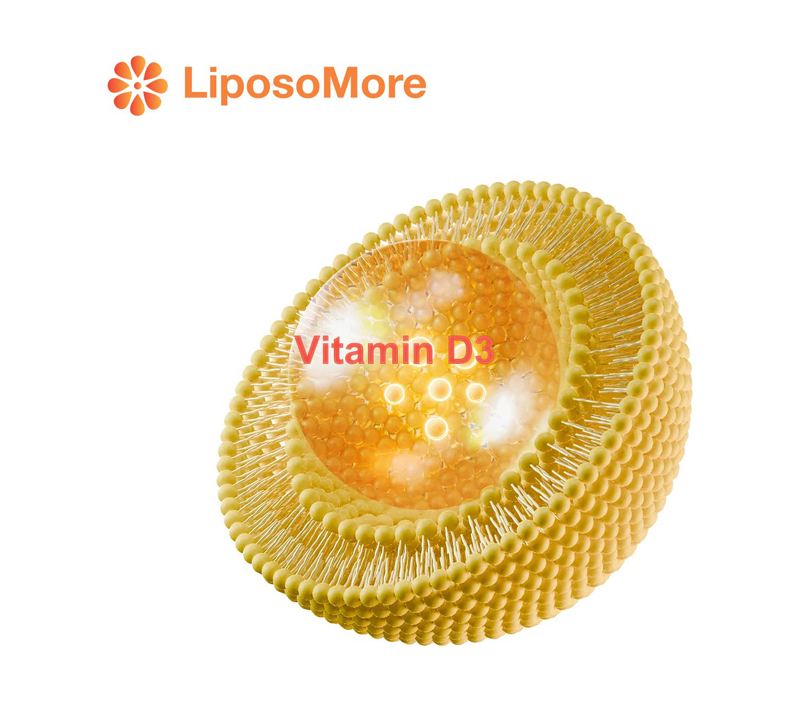
Vitamin D3 is a fat-soluble molecule and is mainly bound in the following ways:
Embedded in lipid bilayer: The hydrophobic properties of vitamin D3 allow it to be stably embedded in the hydrophobic area of the phospholipid bilayer.
Protective wrapping: The liposome bilayer membrane isolates oxygen, light and enzymatic hydrolysis, reducing the degradation of vitamin D3.
2.1 High bioavailability
Membrane-like structure promotes absorption: Liposomes are similar to intestinal cell membranes and directly enter the circulatory system through membrane fusion or endocytosis, bypassing the loss of traditional digestive processes.
Lymphatic system absorption: Liposomes can be absorbed through intestinal lymph (chylomicron pathway), improving the transport efficiency of fat-soluble vitamin D3.
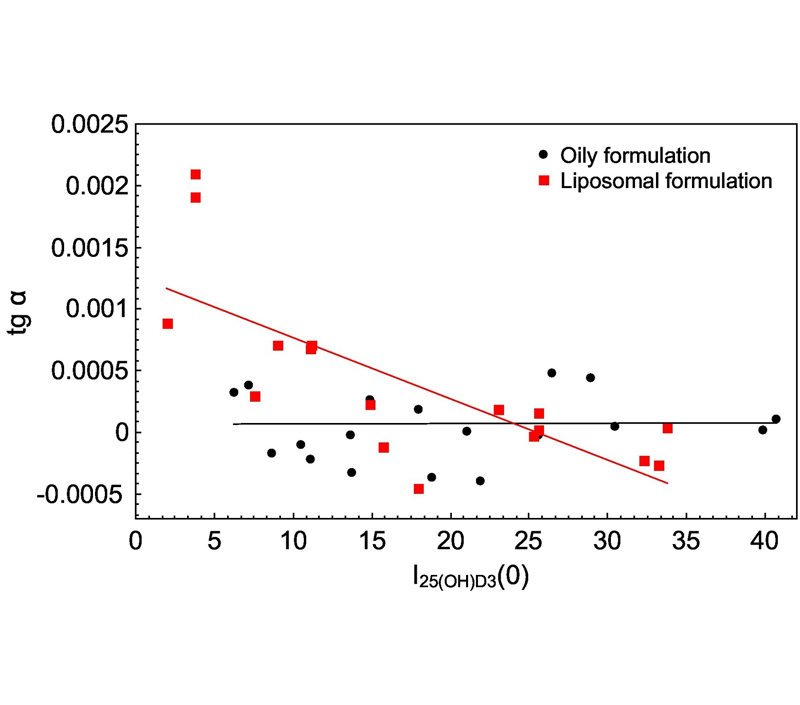
Figure 1: It has been demonstrated in a clinical experiment that liposomes Vitamin D3 are superior to oily formulation concerning their capability in delivering vitamin D3. Also, the clinical experiment shows that vitamin D3 in liposomal form was absorbed faster by persons with distinct deficiency.
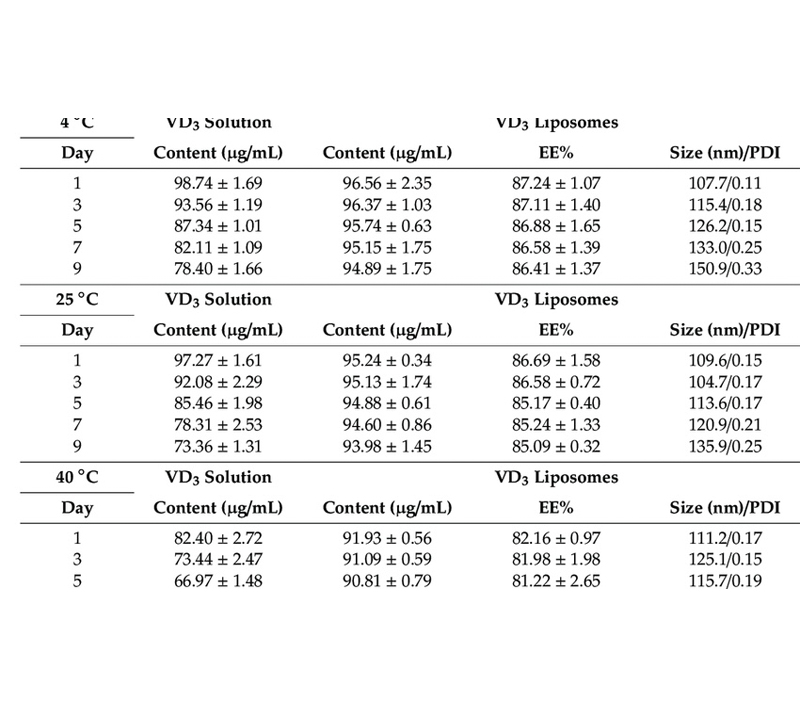
3.1 Protective effect of the bilayer membrane: Reduce photooxidation and hydrolysis of vitamin D3 (especially in gastric acid environment).
3.2 Regulatory effect of cholesterol: Reduce the fluidity of phospholipid molecules, prevent liposome rupture and leakage of active ingredients.
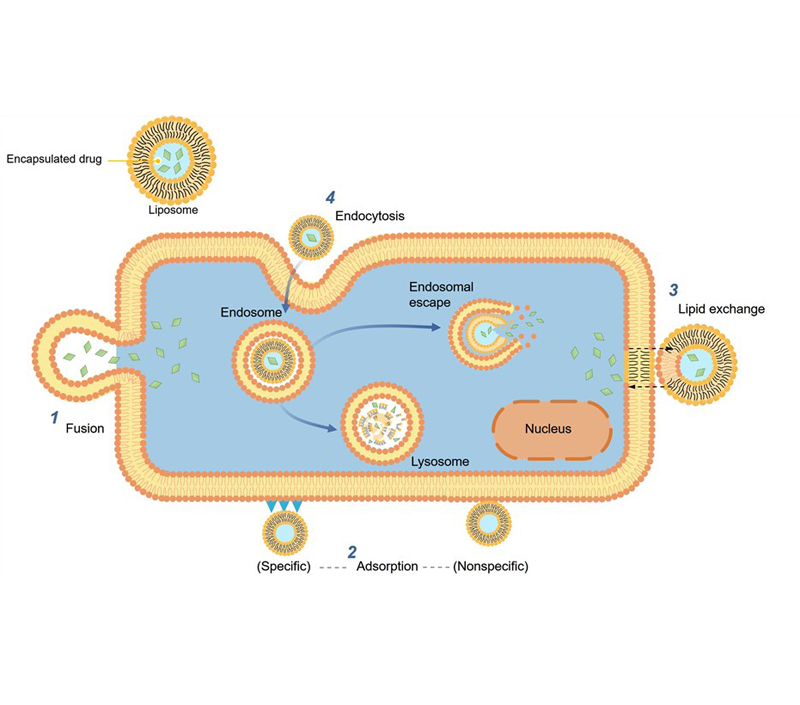
4.1 Passive targeting: Liposomes can be enriched in specific tissues through the EPR effect (such as nano-liposomes).
4.2 Sustained release characteristics: The phospholipid bilayer gradually releases vitamin D3 to maintain stable blood drug concentration.
its activity.
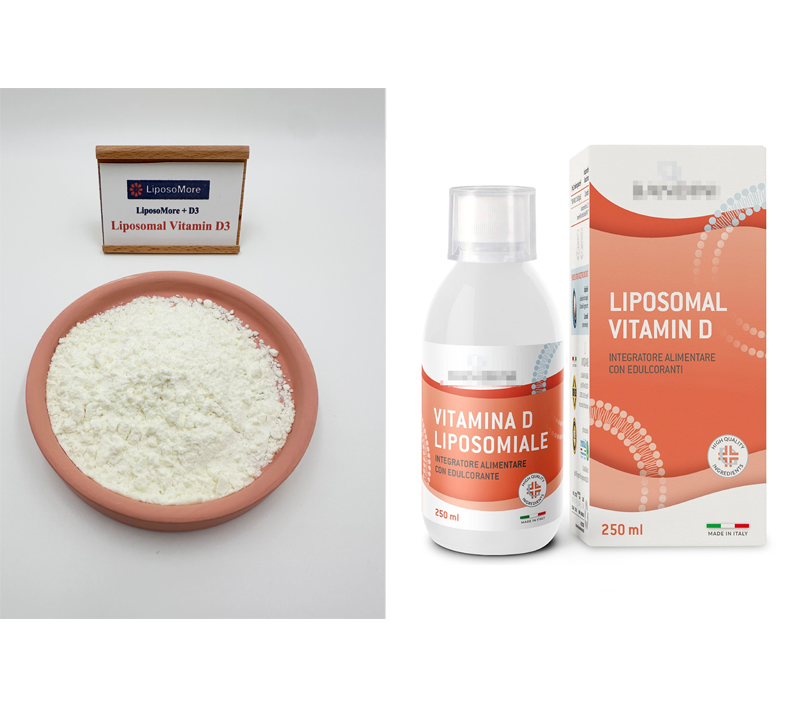
Hydrophilic shell: The hydrophilic layer on the surface of liposomes allows fat-soluble vitamin D3 to be evenly dispersed in aqueous media (such as beverages, oral liquids), expanding application scenarios.