EN
EN
 jp
jp  ko
ko  fr
fr  de
de  es
es  ru
ru  pt
pt  ar
ar  pl
pl  vi
vi Address
No.2045 Songbai Road, Baoan District, Shenzhen China

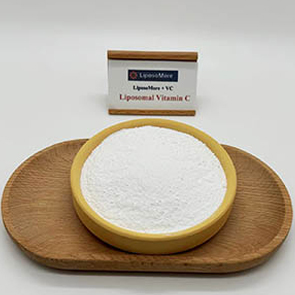
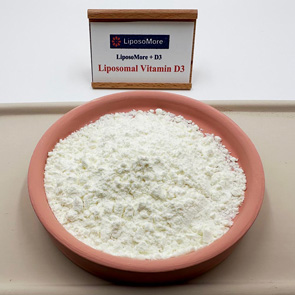
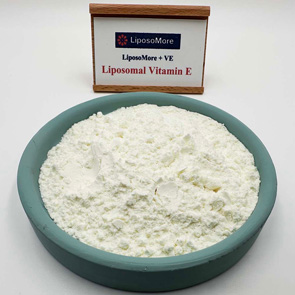
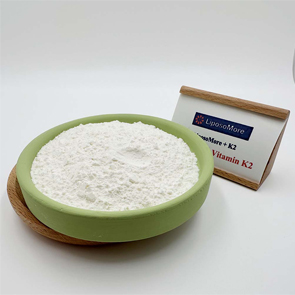
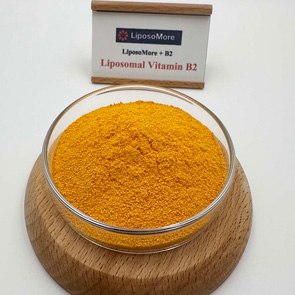
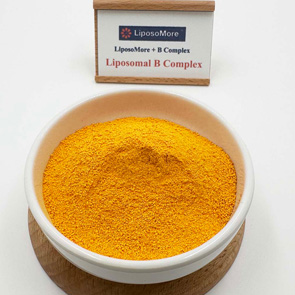
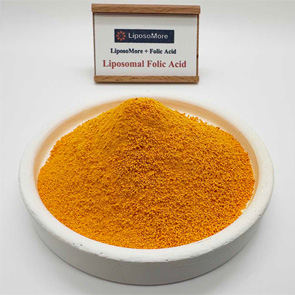
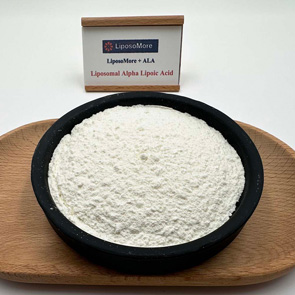
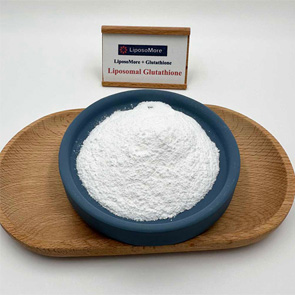
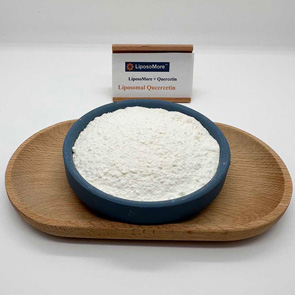
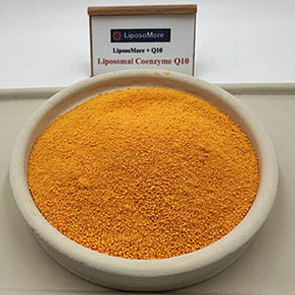
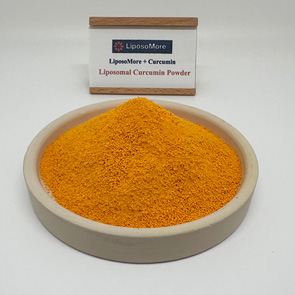
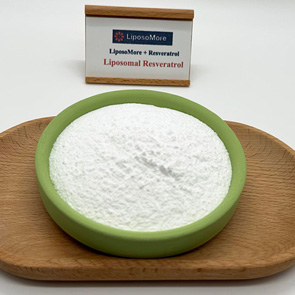
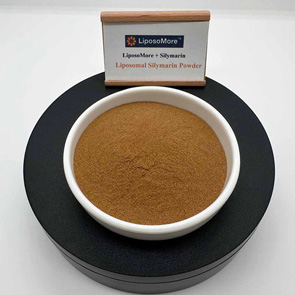
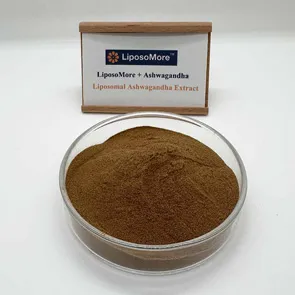
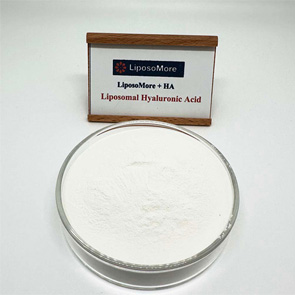
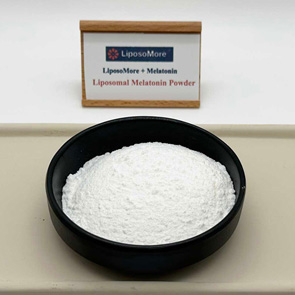
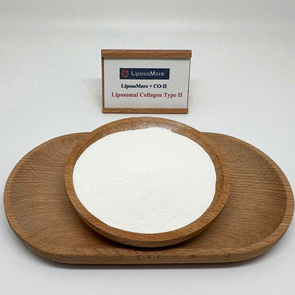
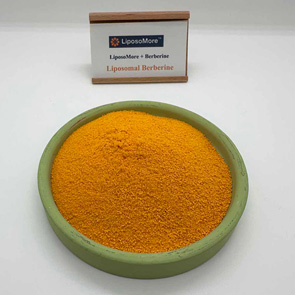
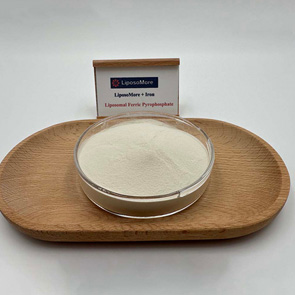
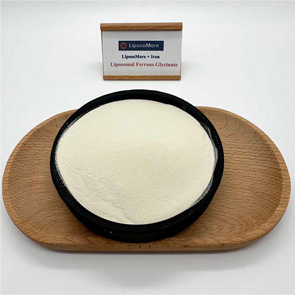
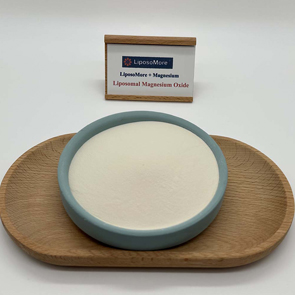
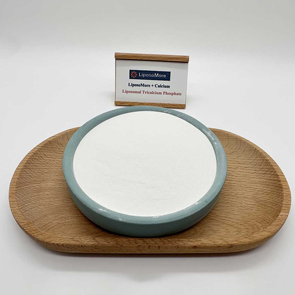
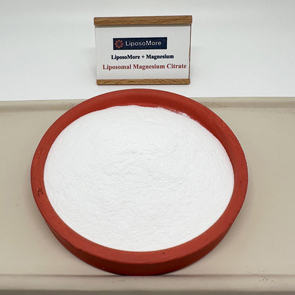
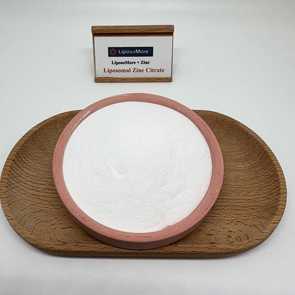
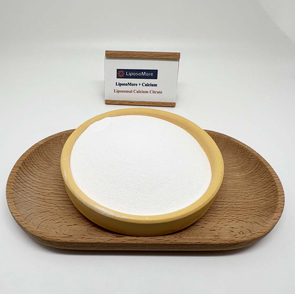
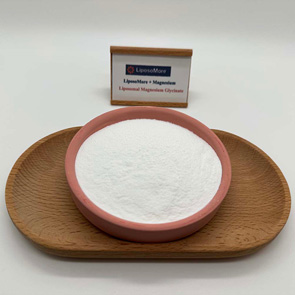
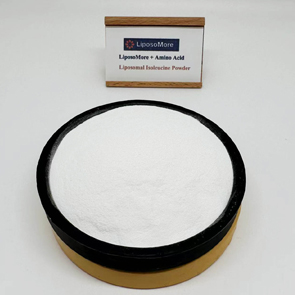
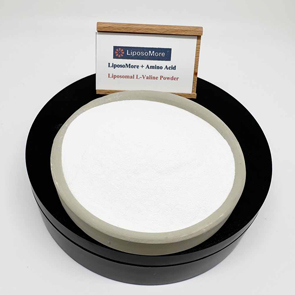
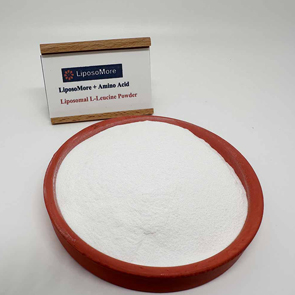

Liposomal vitamins are an advanced form of supplementation where active ingredients are encased in liposomes, enhancing absorption and bioavailability. Unlike normal vitamins, which may be poorly absorbed and quickly excreted, liposomal vitamins ensure better nutrient delivery, increased stability, and gentler digestion, making them more effective. This technology offers a significant advantage for those seeking maximum nutrient absorption with fewer side effects.
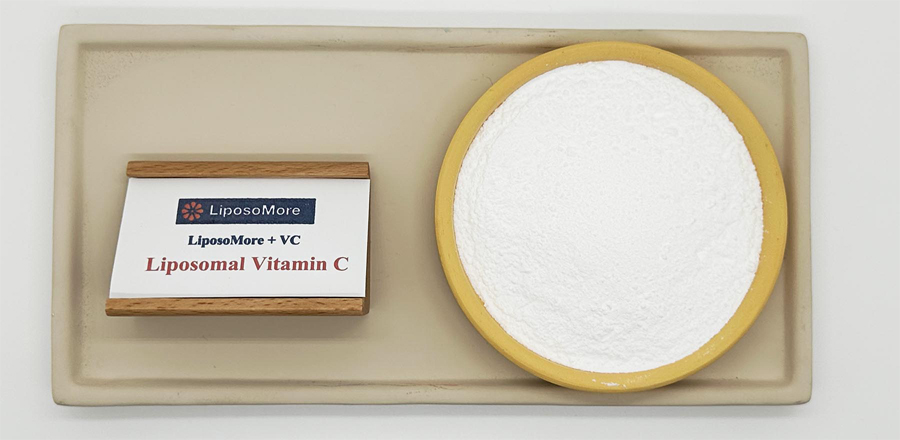
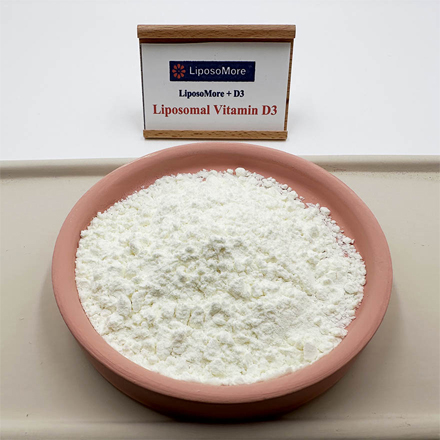
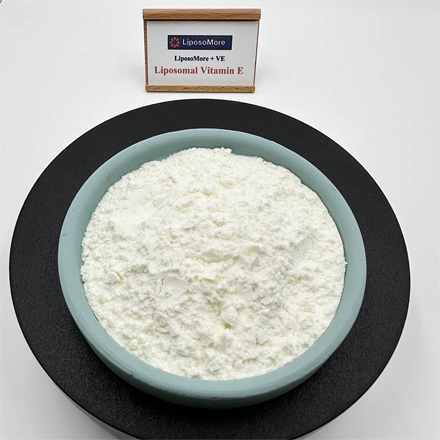
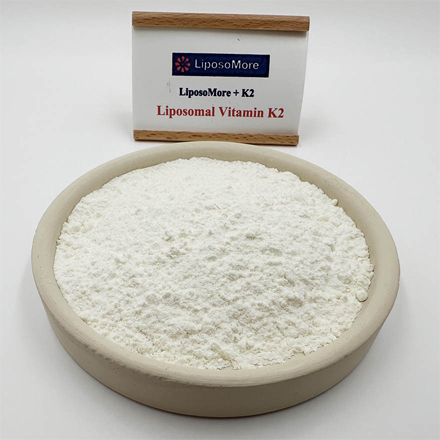
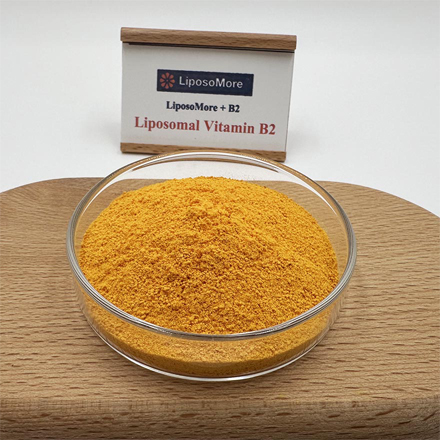
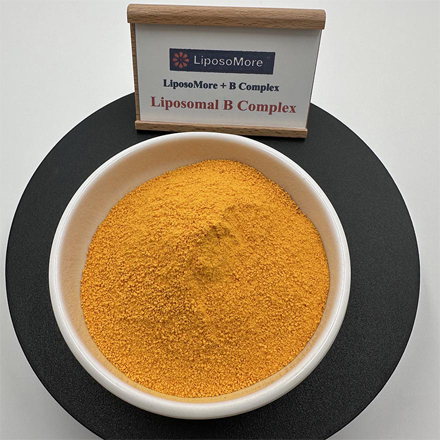
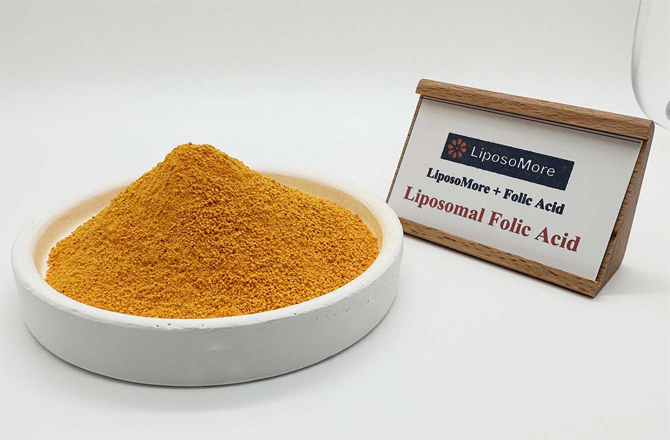
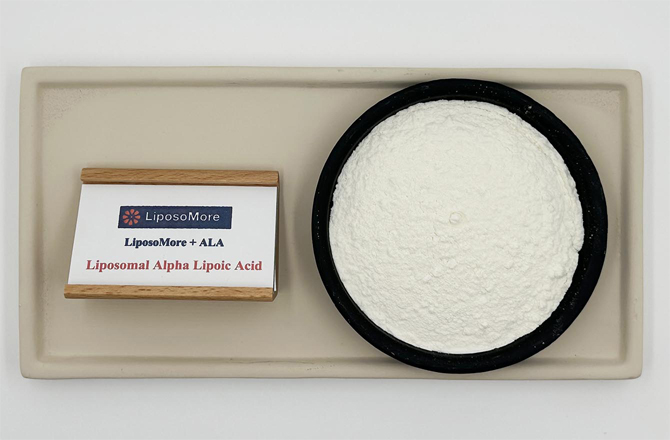
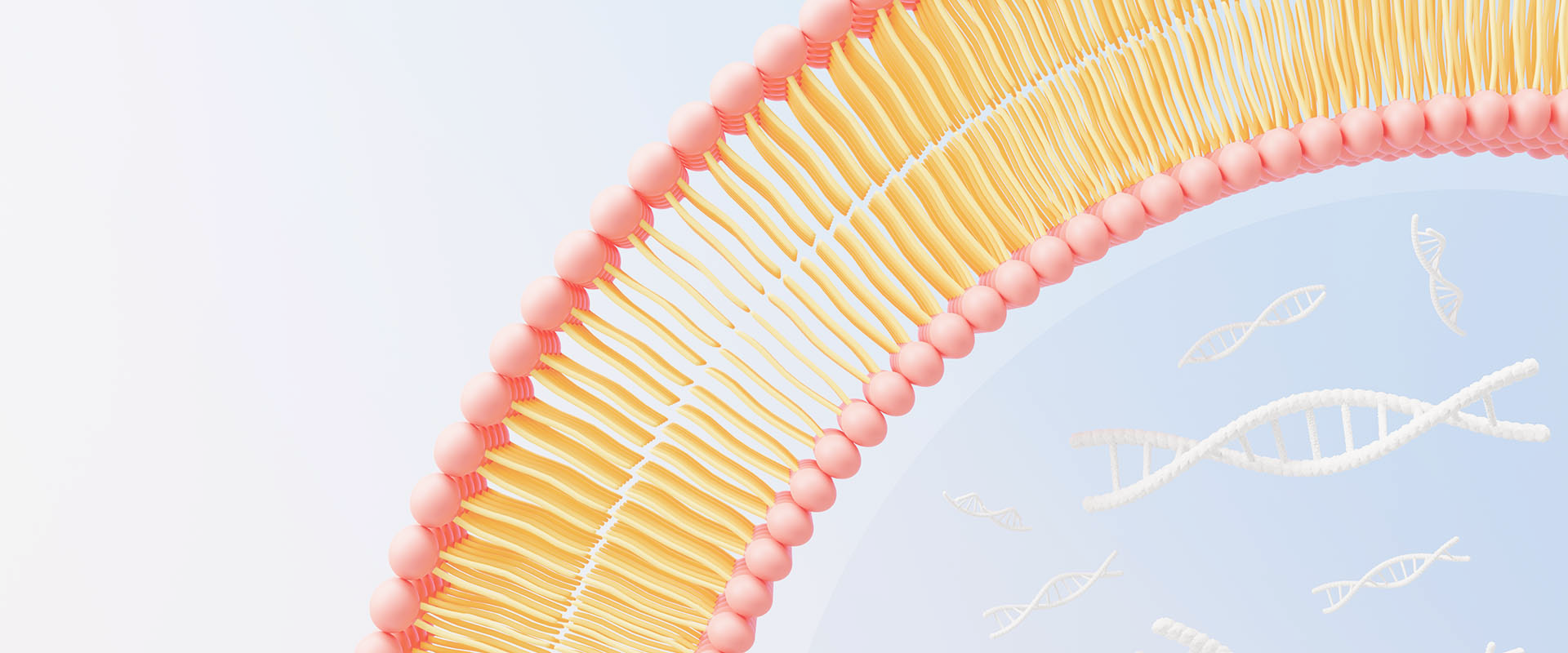
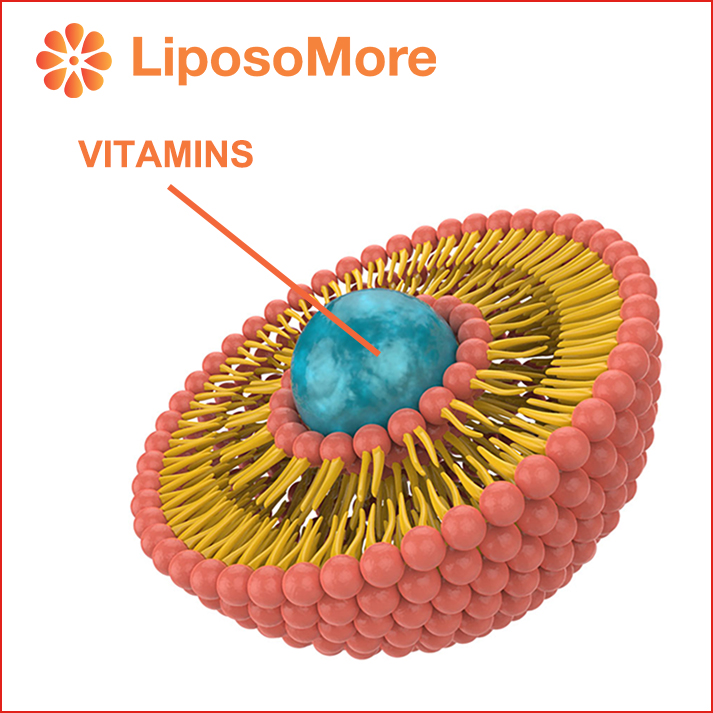
Liposomal vitamins are vitamins ingredients microencapsulated within liposomes—tiny spherical vesicles made from phospholipids, similar to cell membranes. This advanced delivery system helps protect the vitamins from degradation in the digestive tract and enhances their absorption into the bloodstream.
As a result, liposomal vitamins offer improved bioavailability compared to traditional oral supplements, making them more effective at delivering nutrients to cells.
Liposomal vitamins disperse uniformly in water-based formulations with ease, Perfectly suited for drink shots, syrups, and oral sprays.
Liposomal encapsulation protects the vitamins from oxidation and moisture damage, extending the shelf life of vitamins ingredients.

Liposomal Vitamins are better than regular vitamins in terms of bioavailability, absorption, delivery and efficacy.
Liposomal Vitamins: These vitamins are encapsulated in lipid (fat) spheres known as liposomes. This delivery method helps protect the vitamins from digestive enzymes, enabling better absorption in the digestive tract. Liposomes can help vitamins bypass the stomach acid, improving bioavailability and ensuring that more of the active ingredient reaches the bloodstream.
Regular Vitamins: Conventional vitamins (tablets, capsules, etc.) are more susceptible to degradation in the digestive system. The bioavailability can be lower due to factors like poor absorption in the gut or the presence of competing substances that reduce absorption.
Liposomal Vitamins: The liposomal vitamins can be delivered more directly to where they are needed in the body, potentially improving effectiveness, especially for fat-soluble vitamins like Vitamin D, E, and A.
Regular Vitamins: These vitamins may not have the same targeted delivery and can be affected by digestive barriers, leading to less efficient absorption.
Liposomal Vitamins: The liposome encapsulation offers a layer of protection from external factors like light, heat, or oxygen, which can degrade vitamins. This protection enhances the stability and shelf life of the vitamins.
Regular Vitamins: Regular vitamins may be more prone to degradation due to exposure to these external factors.