EN
EN
 jp
jp  ko
ko  fr
fr  de
de  es
es  ru
ru  pt
pt  ar
ar  pl
pl  vi
vi 
Jan-09-2026

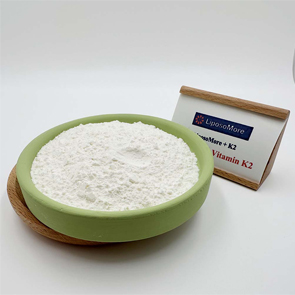
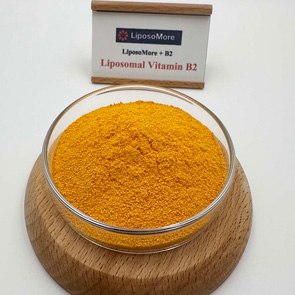
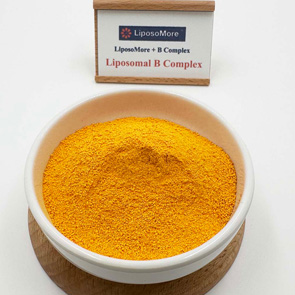
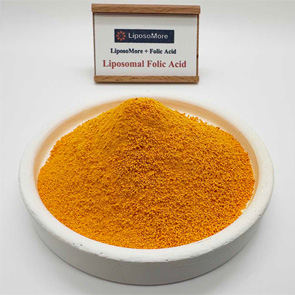
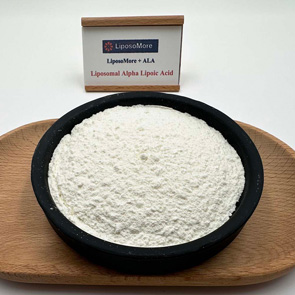
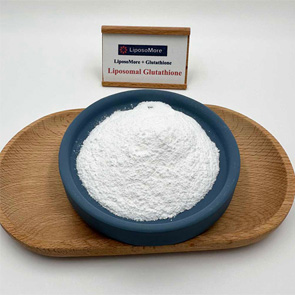
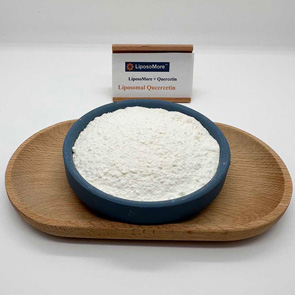
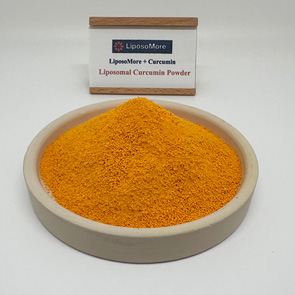
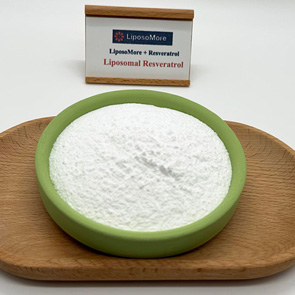
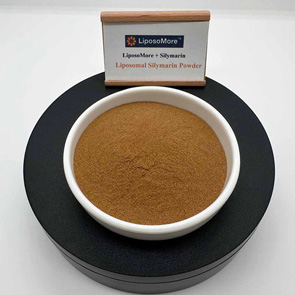
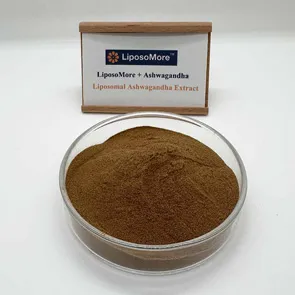
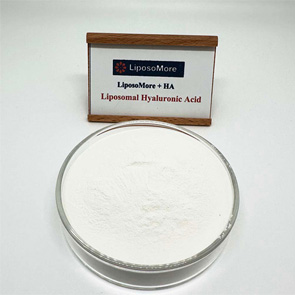
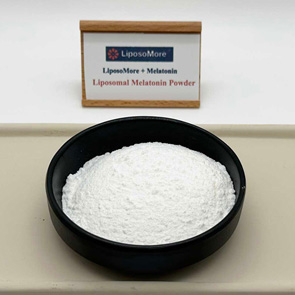
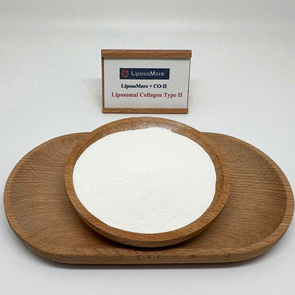
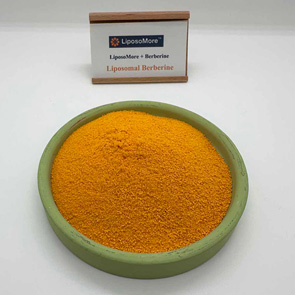
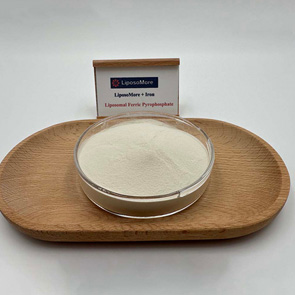
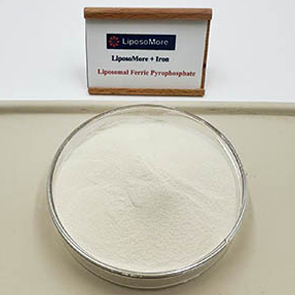
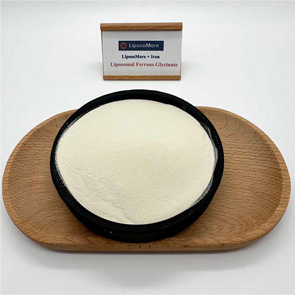
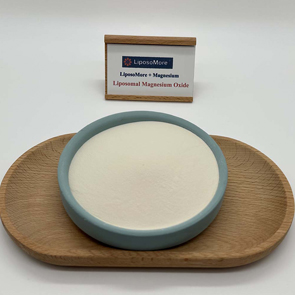
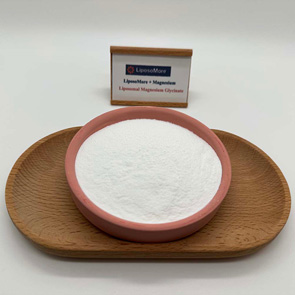
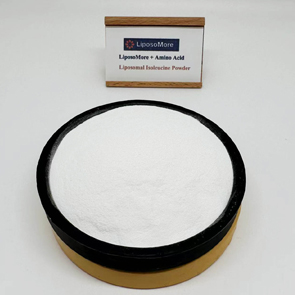
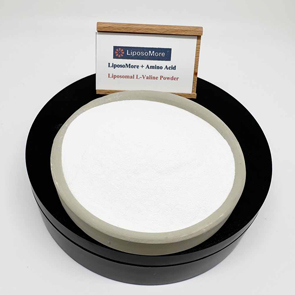
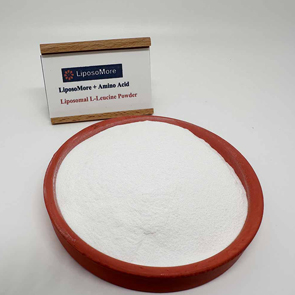

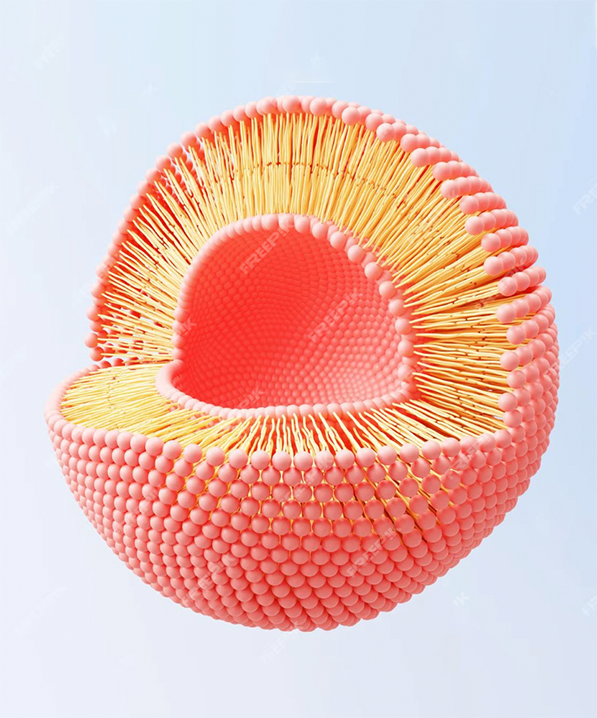
Liposomal technology is an advanced nutrient delivery system that encapsulates active ingredients—such as vitamins, minerals, or plant extracts—within microscopic lipid-based vesicles called liposomes. These liposomes mimic cell membranes, allowing nutrients to be more efficiently absorbed and protected as they travel through the digestive system. This results in significantly improved bioavailability, meaning the body can absorb and utilize a higher percentage of the active ingredient. Liposomes also help shield sensitive compounds from oxidation or degradation. This makes liposomal formulations a superior choice for dietary supplements, especially for consumers seeking enhanced effectiveness and fast-acting health benefits.
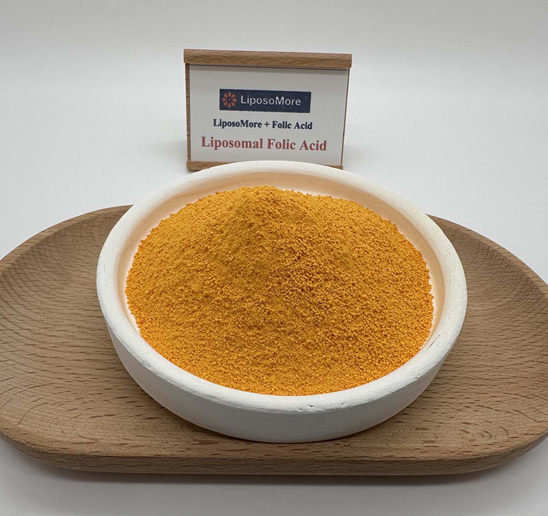
Liposomal encapsulation significantly improves the bioavailability of nutrients. The lipid bilayer structure allows active ingredients to bypass digestive degradation and be directly absorbed into cells, resulting in more efficient utilization compared to traditional forms.
Sensitive nutrients like vitamins and antioxidants are protected from oxidation, light, and stomach acid. The liposomal barrier preserves their potency during manufacturing, storage, and digestion, ensuring they remain effective until absorbed.
Liposomes can fuse with cell membranes, allowing for targeted and controlled release of nutrients directly into cells. This targeted delivery enhances the therapeutic efficacy of supplements, especially for ingredients with poor absorption profiles.
Liposomal formulations are gentler on the digestive system. They minimize common side effects such as nausea or stomach irritation, particularly with ingredients like iron, magnesium, or vitamin C.
Liposomal ingredients are versatile and can be used in liquids, powders, capsules, softgels, or gummies. Their adaptability allows for the development of innovative and consumer-friendly supplement products.
Liposome technology in dietary supplement raw materials leverages the unique structure of lipid bilayers to encapsulate active ingredients. Structurally, liposomes are spherical vesicles composed of phospholipid bilayers, which mimic the natural cell membrane. This bilayer structure allows liposomes to encapsulate active ingredients, protecting them from environmental factors such as oxidation and degradation. By improving the stability and bioavailability of sensitive nutrients like vitamins, minerals, and antioxidants, liposomes enhance their absorption in the body. Furthermore, their controlled-release properties help optimize nutrient delivery, ensuring maximum efficacy and prolonged action. This makes liposome-encapsulated supplements a powerful solution for improving nutrient uptake and overall health benefits.
How are liposomal ingredients tested for authenticity and quality?
To detect and verify whether the liposome raw material is in the form of true liposomes, it is usually necessary to confirm its physical and chemical properties through a variety of experimental methods. The following are several common verification methods:
Principle: The morphology and structure of liposomes can be directly observed through transmission electron microscopy.
Application: TEM can clearly show the bilayer structure of liposomes and its size, shape and other characteristics. Liposomes should show a typical bilayer membrane structure.
Principle: HPLC can be used to analyze the distribution of encapsulated substances in liposomes and the stability of liposomes.
Application: By detecting the active ingredients encapsulated in liposomes, the structure and effectiveness of liposomes can be indirectly confirmed.
Principle: Detect whether the active ingredients in the liposome raw material are successfully encapsulated.
Application: Liposome raw materials with low encapsulation efficiency may mean that the structure of the liposomes is incomplete or unstable.
Principle: UV-Vis spectroscopy can be used to measure the absorbance of liposomes and detect the absorption characteristics of active ingredients encapsulated in liposomes.
Application: If a substance with absorption characteristics is encapsulated in the liposomes, the presence of liposomes can be confirmed by UV-Vis.