When developing BCAA-based sports nutrition products, manufacturers often need to look beyond the general category of branched-chain amino acids and evaluate the individual ingredients that make up a formulation. L-valine and L-isoleucine are both BCAAs, yet they represent different amino acid ingredients and may need to be considered separately during formulation and sourcing.
L-valine and L-isoleucine are both essential amino acids and BCAA components, but they are not interchangeable ingredients. For liposomal BCAA formulations, the appropriate choice depends on the target BCAA composition, formulation objectives, dosage form, ingredient specifications, delivery-system characteristics, and compatibility with the finished product.
Understanding the distinction between these two amino acids is only the first step. Manufacturers also need to consider why a liposomal delivery format may be relevant, how the two ingredients compare from a formulation perspective, and what technical and quality factors should be reviewed when selecting a liposomal BCAA ingredient. The following sections examine these considerations in more detail.
Why Valine and Isoleucine Matter in BCAA Formulations
Branched-chain amino acids (BCAAs) are a group of essential amino acids consisting of L-leucine, L-isoleucine, and L-valine. Their shared classification makes them an important ingredient group for manufacturers developing sports nutrition and other amino acid-based products.
From a formulation perspective, however, it is useful to distinguish the individual amino acids rather than treating BCAA as a single ingredient. L-valine and L-isoleucine have different molecular structures and are supplied as separate raw materials. A manufacturer may therefore need to evaluate each ingredient according to the desired composition and technical requirements of the finished product.
This distinction is especially relevant when developing differentiated ingredient formats. If a formulation is designed around a liposomal delivery system, the developer needs to consider not only the amino acid itself but also the characteristics of the delivery format and its compatibility with the intended application.
Liposomal L-Valine vs Liposomal Isoleucine: Key Differences
Liposomal L-valine and liposomal isoleucine share the same general BCAA category and liposomal delivery concept, but they are different amino acid ingredients. The practical formulation question is therefore not which one is universally better, but which ingredient best matches the product's intended BCAA composition and development objectives.
Dimension | L-Valine | L-Isoleucine |
Amino acid category | Essential amino acid; BCAA | Essential amino acid; BCAA |
BCAA composition | One of the three BCAA components | One of the three BCAA components |
Formulation positioning | Sports nutrition and amino acid formulations | Sports nutrition and amino acid formulations |
Ingredient selection factors | Specification, dosage, format, delivery system, compatibility | Specification, dosage, format, delivery system, compatibility |
Liposomal format | Can be supplied in a liposomal format | Can be supplied in a liposomal format |
For B2B formulation teams, this means that ingredient selection should begin with the intended formula rather than with a general assumption that one BCAA is preferable to another. The target product concept, desired ingredient combination, dosage form, processing conditions, and supplier specifications should all be considered.
Why Use Liposomal Delivery for Amino Acid Ingredients?
Liposomal delivery is an alternative ingredient format in which active ingredients are associated with lipid-based structures. For amino acid products, manufacturers may evaluate this format when developing differentiated formulations or exploring specific delivery-system requirements.
The suitability of a liposomal amino acid should be assessed using product-specific technical information. Important considerations can include dispersion, stability, processing conditions, dosage form, ingredient compatibility, storage requirements, and the specifications of the finished formulation.
It is also important to distinguish between the concept of a liposomal delivery system and claims about physiological performance. Unless a specific product has appropriate supporting data, claims such as 'higher absorption,' 'faster absorption,' or 'superior bioavailability' should not be presented as universal conclusions.
How to Select Liposomal BCAA Ingredients for Sports Nutrition Products
For sports nutrition manufacturers, choosing a liposomal BCAA ingredient involves more than confirming the amino acid name. A structured supplier and ingredient review can help ensure that the raw material is suitable for the intended product and manufacturing process.
Key Ingredient Selection Considerations
· Amino acid identity and specification
· Purity and active content
· Liposomal delivery-system specifications
· Dosage form and intended application
· Dispersibility and processing characteristics
· Stability and storage requirements
· Compatibility with the finished formula
· Quality and analytical documentation
· Regulatory requirements for the target market
· Supplier technical support and formulation assistance
For B2B buyers, supplier support can be particularly important when a formulation requires a specialized ingredient format. Clear technical documentation, consistent specifications, quality controls, and communication with the supplier can all contribute to a smoother development and sourcing process.
FAQs About Liposomal Valine and Isoleucine
What is liposomal L-valine?
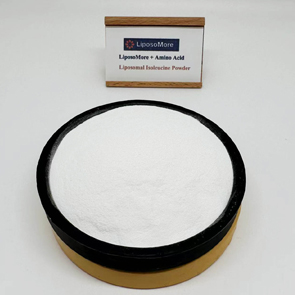
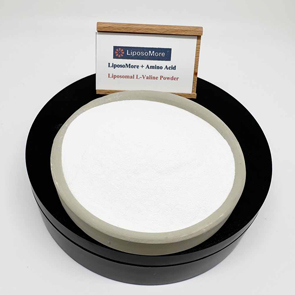
Liposomal L-valine is L-valine supplied in a liposomal delivery format. Its suitability for a formulation should be evaluated using the product's specific specifications, delivery-system characteristics, and technical documentation.
What is liposomal isoleucine?
Liposomal isoleucine is L-isoleucine supplied in a liposomal delivery format. Manufacturers should evaluate its specifications, intended application, dosage form, and compatibility with the finished formula.
Are valine and isoleucine both BCAAs?
Yes. L-valine and L-isoleucine are both branched-chain amino acids, together with L-leucine.
What is the difference between valine and isoleucine?
They are different essential amino acids with different molecular structures, although both belong to the BCAA group. Their selection in a formulation depends on the intended BCAA composition and product requirements.
Why use liposomal BCAA ingredients?
A liposomal format provides an alternative ingredient and delivery-system approach that manufacturers may consider when developing differentiated amino acid products. The decision should be based on product-specific technical characteristics and supporting evidence.
Can liposomal valine and isoleucine be used in sports nutrition formulas?
They can be evaluated as ingredients for sports nutrition formulations, subject to the product design, dosage form, technical specifications, manufacturing process, and applicable regulatory requirements.
Conclusion
L-valine and L-isoleucine are both BCAA components, but they should be evaluated as distinct ingredients when developing sports nutrition and amino acid formulations. For manufacturers considering liposomal formats, the most relevant question is how each ingredient fits the target formulation and whether its delivery-system characteristics meet the product's technical requirements.
Ingredient specifications, purity, active content, delivery-system characteristics, stability, compatibility, documentation, and supplier support are all useful factors to review before selecting a liposomal BCAA ingredient.
For manufacturers seeking liposomal amino acid ingredients for formulation development, LiposoMore offers options including Liposomal L-Valine and Liposomal Isoleucine, allowing product developers to evaluate liposomal BCAA ingredients according to their specific formulation needs.
Natalie Wu
Hey Guys, I am Natalie Wu, an R&D researcher at LiposoMore. I graduate from College with a Master’s Degree in Bioengineering, I would like to share news and the science behind liposomal ingredients. At LiposoMore, we drive ingredient development with scientific precision and a passion for advanced nutritional technologies.
 EN
EN
 jp
jp  ko
ko  fr
fr  de
de  es
es  ru
ru  pt
pt  ar
ar  pl
pl  vi
vi